
Self healing screen protection materials are rapidly transforming how we protect smartphones, tablets, and wearable displays. As devices become thinner and more expensive, traditional screen protectors struggle to keep up with durability demands. This is where advanced materials that can repair minor scratches and surface damage automatically are gaining attention.
In this comprehensive guide, we will explore how self healing screen protection materials work, the science behind them, their real-world applications, advantages, limitations, and future potential. Whether you are a consumer, tech enthusiast, or industry professional, understanding these materials will help you make smarter decisions about device protection.
What Are Self Healing Screen Protection Materials?
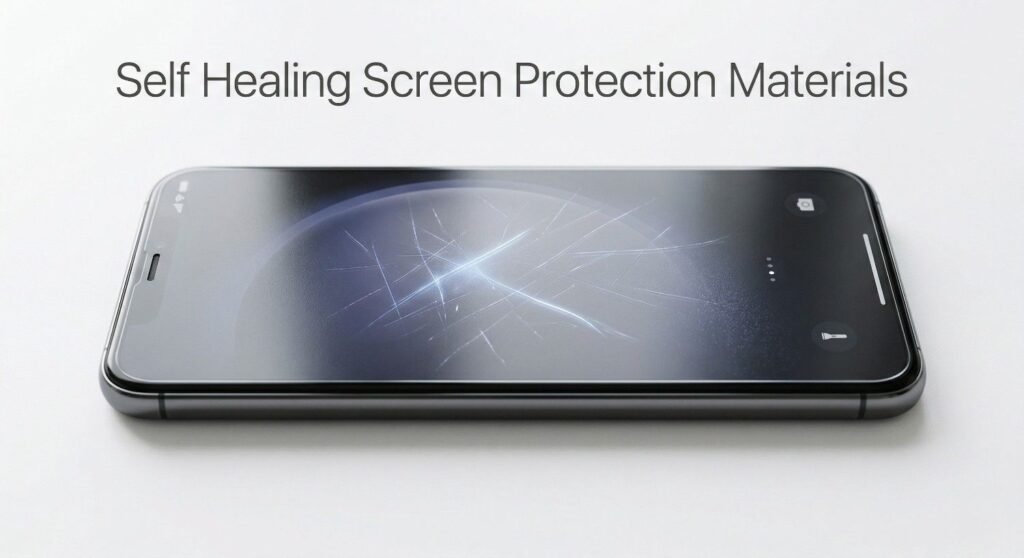
Self healing screen protection materials are advanced polymers or composite materials designed to repair minor scratches, abrasions, or surface damage without external intervention.
Unlike traditional tempered glass protectors that permanently retain scratches, these materials can restore their surface integrity through internal molecular mechanisms. This “healing” effect typically occurs when heat, pressure, or time enables the material to reform its structure.
Key Characteristics
- Ability to repair micro-scratches automatically
- Flexible and impact-absorbing structure
- Transparent and optically clear
- Long-lasting surface performance
These materials are commonly used in premium screen protectors, automotive coatings, and even aerospace applications.
The Science Behind Self Healing Technology
Understanding the science behind self healing screen protection materials helps explain why they are more advanced than conventional protective layers.
Polymer Elasticity and Memory Effect
Most self-healing materials are based on elastomeric polymers. These polymers have a “memory,” allowing them to return to their original structure after deformation.
When a scratch occurs, the polymer chains stretch or shift. Over time, they relax back into position, effectively closing the scratch.
Heat-Activated Healing
Some materials require heat to trigger healing. This heat can come from:
- Body temperature
- Environmental warmth
- Friction from daily use
Heat softens the material slightly, enabling molecular movement that repairs the damaged area.
Microcapsule Technology
Advanced self healing screen protection materials use microcapsules filled with healing agents. When the surface is scratched:
- Capsules rupture
- Healing liquid is released
- The material fills the crack and solidifies
This approach is often used in high-end industrial coatings.
Types of Self Healing Screen Protection Materials
This YouTube video below explains which type of screen protector is the best, comparing options like tempered glass, plastic film, and hybrid protectors. It highlights durability, protection level, and user experience to help you choose the right one for your device. 📱✨
Different types of materials are used depending on the level of protection and flexibility required.
Thermoplastic Polyurethane (TPU)
TPU is the most widely used material in self-healing screen protectors.
Advantages:
- Excellent flexibility
- High scratch resistance
- Affordable
Limitations:
- Slightly less rigid than glass
- Can feel softer to the touch
Elastomer-Based Polymers
These materials provide superior healing capabilities and are used in premium products.
Key Features:
- Faster healing time
- Better resistance to repeated damage
- High durability
Hybrid Polymer Composites
Hybrid materials combine multiple layers to improve performance.
Benefits:
- Balanced hardness and flexibility
- Improved optical clarity
- Enhanced longevity
Benefits of Self Healing Screen Protection Materials
The growing popularity of self healing screen protection materials is driven by their practical advantages.
Continuous Surface Restoration
Minor scratches disappear over time, keeping the screen looking new.
Extended Lifespan
Unlike traditional protectors that need frequent replacement, self-healing materials last longer.
Better Impact Absorption
Flexible polymers absorb shocks better than rigid glass.
Improved Aesthetics
No visible scratches mean better screen clarity and visual experience.
Cost Efficiency Over Time
Although initially more expensive, they reduce replacement costs.
Limitations and Challenges
Despite their advantages, self healing screen protection materials are not perfect.
Limited to Minor Damage
They can only repair superficial scratches, not deep cracks or breaks.
Slower Healing in Cold Conditions
Low temperatures reduce molecular movement, slowing healing.
Softer Surface Feel
Compared to tempered glass, they may feel less premium.
Potential Yellowing Over Time
Some polymers may discolor with prolonged exposure to UV light.
Applications in Modern Devices
The use of self healing screen protection materials extends beyond smartphones.
Smartphones and Tablets
Most commonly used in flexible film protectors and premium coatings.
Foldable Devices
Essential for foldable screens where flexibility is critical.
Smartwatches and Wearables
Provides scratch resistance without adding bulk.
Automotive Displays
Used in infotainment systems and touch panels.
Self Healing vs Tempered Glass Protectors
Choosing between traditional and self healing screen protection materials depends on usage needs.
| Feature | Self Healing Materials | Tempered Glass |
|---|---|---|
| Scratch Recovery | Yes | No |
| Flexibility | High | Low |
| Impact Resistance | Moderate | High |
| Longevity | Longer | Shorter |
| Feel | Softer | Glass-like |
Maintenance Tips for Maximum Performance
To get the best from self healing screen protection materials, proper care is essential.
Keep the Surface Clean
Dust and debris can interfere with healing.
Avoid Sharp Objects
Healing works best for micro-scratches, not deep cuts.
Allow Time for Healing
Do not expect instant results; some scratches take hours to disappear.
Avoid Extreme Cold
Keep devices within moderate temperature ranges.
Real-World Performance: What Users Should Expect
In everyday use, self healing screen protection materials perform reliably for minor wear and tear.
- Light scratches disappear within hours
- Frequent use improves healing due to warmth
- Surface remains visually clean over time
However, deep scratches or impacts will still require replacement.
Future of Self Healing Screen Protection Materials
The future of self healing screen protection materials is promising, with ongoing research in nanotechnology and smart materials.
Nanomaterial Integration
Future materials may heal faster and handle deeper damage.
AI-Enhanced Coatings
Smart coatings could adapt to environmental conditions.
Improved Optical Performance
Next-gen materials will match or exceed glass clarity.
Buying Guide: How to Choose the Right Material
When selecting self healing screen protection materials, consider:
Device Compatibility
Ensure proper fit and coverage.
Material Quality
Look for high-grade TPU or hybrid polymers.
Brand Reputation
Choose trusted manufacturers with proven durability.
Thickness and Clarity
Balance protection with display quality.
Common Myths About Self Healing Materials
- Myth: They are indestructible
Reality: Only minor scratches can heal - Myth: Healing is instant
Reality: It takes time and sometimes heat - Myth: They replace tempered glass completely
Reality: Each has different use cases
FAQ: Self Healing Screen Protection Materials
What are self healing screen protection materials made of?
They are typically made from advanced polymers like TPU or elastomer-based compounds designed to repair minor surface damage.
Do self healing screen protectors really work?
Yes, they effectively repair small scratches over time, especially with heat exposure.
How long does healing take?
Healing time ranges from a few minutes to several hours depending on temperature and damage severity.
Are they better than tempered glass?
They are better for scratch resistance but not for heavy impact protection.
Can they protect against cracks?
No, they cannot prevent major cracks from strong impacts.
Conclusion
Self healing screen protection materials represent a significant advancement in device protection technology. By combining flexibility, durability, and the ability to repair minor damage, these materials offer a modern solution for maintaining screen quality over time.
While they are not a complete replacement for tempered glass in all scenarios, their ability to reduce visible wear and extend product lifespan makes them an excellent choice for everyday users.
For the best results, choose high-quality materials, handle devices carefully, and understand the limitations of the technology. As innovation continues, self-healing materials are set to become a standard feature in next-generation devices—reshaping how we think about screen protection.