
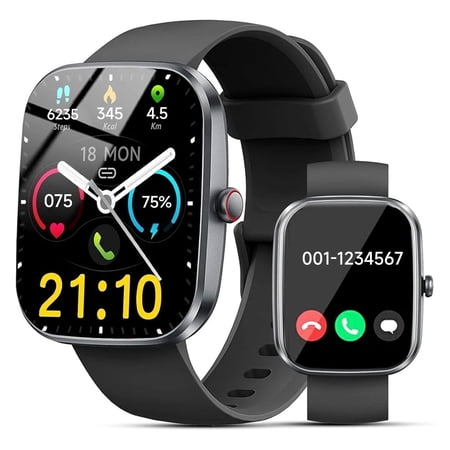

Blood oxygen monitoring has quietly become one of the most meaningful health features a smartwatch can offer. SpO2 tracking — which measures the percentage of oxygen saturation in your blood — was once reserved for clinical pulse oximeters. Today, the best smartwatches with SpO2 tracking deliver continuous or on-demand readings that can flag concerning drops during sleep, alert you to potential respiratory issues during high-altitude activities, and give you a more complete picture of your cardiovascular health over time.
The problem isn’t finding a watch that lists SpO2 as a feature. Almost every smartwatch released in the past two years includes the sensor. The real challenge is understanding which devices implement it meaningfully — with accurate, reliable readings — versus which ones list “blood oxygen monitoring” as a bullet point while delivering inconsistent or practically useless data.
This guide covers twelve carefully selected options across every budget tier, from premium flagship smartwatches with medically respected health platforms to capable budget options that bring SpO2 monitoring to first-time buyers without significant financial commitment. Every recommendation is chosen for genuine SpO2 implementation quality, supporting health platform depth, and overall daily value.

At a Glance: Best Smartwatch With SpO2 Tracking
- Best Overall SpO2 Smartwatch – Fitbit Sense 2
- Best SpO2 Smartwatch for iPhone Users – Apple Watch Series 6 (Renewed)
- Best SpO2 Smartwatch for Android Users – Samsung Galaxy Watch 4 Classic
- Best SpO2 Fitness Band – Amazfit Band 7
- Best Budget SpO2 Smartwatch – Fitpolo 1.8-inch (Purple)
- Best AMOLED SpO2 Watch for Women – Fitpolo AR-01 (Round)
- Best Rugged SpO2 Smartwatch – Blackview W60 Military Watch
- Best Alexa SpO2 Smartwatch Mid-Range – SKG V7 Pro
- Best Entry-Level SpO2 Watch – Fitpolo 1.85-inch AMOLED
- Best Ultra-Budget SpO2 Watch – MUGO 1.91-inch Smartwatch
- Best Premium SpO2 Smartwatch – Samsung Galaxy Watch Ultra
- Best SpO2 Smartwatch for Style and Function – Reebok STRIDE
How We Evaluated Each Smartwatch With SpO2 Tracking
SpO2 tracking quality varies enormously across the smartwatch market, and understanding how we approached evaluation clarifies why certain products rank where they do.
SpO2 Implementation Quality: We assessed whether watches offer continuous 24/7 SpO2 monitoring, periodic on-demand readings, or sleep-only measurement. Continuous monitoring delivers the most health value — particularly for identifying nocturnal hypoxemia — but drains battery faster. We noted which type each watch uses.
Sensor Hardware: The quality of the optical photoplethysmography (PPG) sensor determines reading accuracy. Established health brands (Fitbit, Apple, Samsung, Garmin) invest in validated sensor hardware. Budget watches use lower-cost sensors that produce less consistent readings, particularly during movement.
Health Platform Depth: SpO2 data is only as useful as the software that interprets it. We evaluated companion app quality, historical trend visualization, health alert systems, and integration with third-party platforms including Apple Health, Google Fit, and Strava.
Battery Impact of Continuous SpO2: Always-on SpO2 monitoring significantly reduces battery life compared to manufacturer claims measured in basic smartwatch mode. We factored in realistic daily battery expectations under health monitoring use.
Display Quality for Health Data: Health metrics are only useful if you can read them clearly. Display size, brightness, and always-on capability all affect how well SpO2 and other health data is accessible during daily use.
The 12 Best Smartwatches With SpO2 Tracking
1. Fitbit Sense 2
Best For: Health-conscious users who want the most complete wellness monitoring smartwatch with SpO2 tracking, ECG, stress sensing, and a trusted health platform.

The Fitbit Sense 2 is the most complete health-focused smartwatch in this guide, designed for users who prioritize wellness tracking over athletic performance metrics. With features like cEDA stress sensing, ECG support, SpO2 monitoring, built-in GPS, and Fitbit’s mature health platform, it delivers a far more active health-monitoring experience than simple data tracking.
Specifications:
- Display: 1.58-inch AMOLED touchscreen
- Battery Life: 6+ days typical use
- OS Compatibility: Android and iOS
- Health Tracking: Continuous SpO2, cEDA stress, ECG, 24/7 heart rate, sleep staging, body temperature, irregular heart rhythm notifications
- GPS: Built-in GPS
- Water Resistance: 50 meters (swim-proof)
- Charging: Proprietary magnetic
- Weight: Slim and lightweight with raised band attachments
Real-World Performance
The Sense 2 stands out through its advanced health sensor integration. Its cEDA sensor tracks subtle skin conductance changes throughout the day to provide deeper stress insights alongside heart rate variability and the daily Stress Management Score. The ECG app supports on-demand atrial fibrillation checks, while irregular heart rhythm notifications run passively in the background.
Sleep-focused SpO2 tracking also plays a major role in Fitbit’s personalized Sleep Profile, which analyzes 10 sleep metrics over 30 days to identify patterns and offer tailored guidance. The battery lasts up to six days, though some advanced analytics require a Fitbit Premium subscription — a fair criticism for long-term users. Features like Google Maps, Google Wallet, and Alexa improve daily convenience, while the proprietary charger can be inconvenient during travel.
Pros:
- cEDA continuous stress sensing is a unique health differentiator
- Continuous overnight SpO2 improves Sleep Profile quality significantly
- ECG app provides on-demand atrial fibrillation assessment
- Built-in GPS tracks outdoor workouts independently
- 50-meter water resistance for swimming
- Both small and large band sizes included in box
- 6-month Fitbit Premium trial adds immediate value
Cons:
- Fitbit Premium paywall restricts some advanced health analytics long-term
- 6-day battery is modest against fitness-focused alternatives
- Proprietary magnetic charger is inconvenient to replace
- GPS battery life is significantly shorter than 6-day estimate
- iOS users lose some Google service integrations
- Body temperature trending available but not real-time absolute reading
2. Apple Watch Series 6
Best For: iPhone users who want Apple’s trusted SpO2 implementation, always-on display, ECG capability, and Apple Health integration at a more accessible renewed price point.

The Apple Watch Series 6 introduced real-time SpO2 monitoring to Apple’s ecosystem and remains a strong option at renewed pricing. Its always-on Retina display keeps health metrics visible without waking the screen, while seamless integration with Apple Health lets iPhone users view SpO2, ECG, heart rate, and sleep data in one place. Buying renewed can offer good value, but battery health is the biggest variable, so checking battery condition before purchase is recommended.
Specifications:
- Display: 1.8-inch always-on Retina display (LTPO OLED), 40mm or 44mm
- Battery Life: 18 hours typical (varies with renewed battery condition)
- OS Compatibility: iPhone (iOS) only — requires iPhone for setup and operation
- Health Tracking: SpO2 (blood oxygen), ECG, 24/7 heart rate, sleep tracking, fall detection, heart rate notifications
- GPS: Built-in GPS
- Water Resistance: 50 meters
- Charging: Magnetic wireless (MagSafe)
- Storage: 32GB
Real-World Performance
Apple’s SpO2 system on the Apple Watch Series 6 supports both on-demand and background blood oxygen tracking, including during sleep, with all data stored in Apple Health alongside ECG, heart rate, and other wellness metrics. The always-on display keeps health stats and workout data visible without interaction, making it especially useful during exercise.
While the Series 6 still delivers strong everyday health tracking and full watchOS app support, battery life remains its main limitation — around 18 hours under ideal conditions, and potentially less on renewed units — meaning daily charging is unavoidable for most users.
Pros:
- Apple’s SpO2 feeds directly into Apple Health for long-term trend tracking
- Always-on Retina display for continuous health data visibility
- ECG capability for atrial fibrillation assessment
- 32GB storage for music, apps, and data
- Full watchOS app ecosystem access
- 50-meter water resistance for swimming
- Fall detection and emergency SOS
Cons:
- Daily charging required — 18-hour battery is a hard limitation
- Renewed battery condition is unknown without specific inquiry
- iPhone exclusive — no Android compatibility
- SpO2 is background/periodic rather than true continuous overnight monitoring
- Series 6 is older hardware — newer Series may offer improved sensors
3. Samsung Galaxy Watch 4 Classic 42mm
Best For: Android users who want the most analytically comprehensive health smartwatch with SpO2, ECG, body composition, and Wear OS app access.

The Samsung Galaxy Watch 4 Classic is one of the most advanced Android smartwatches for users who want SpO2 tracking as part of a broader health-monitoring system. Its BioActive sensor enables body composition analysis — including body fat, skeletal muscle, body water, and BMI — alongside continuous sleep SpO2 monitoring and ECG support for atrial fibrillation assessment, a feature set few competitors offer. The signature rotating bezel also adds precise, tactile navigation that feels more practical during workouts than touchscreen-only controls.
Specifications:
- Display: 42mm Super AMOLED, rotating bezel
- Battery Life: Approximately 40 hours typical
- OS Compatibility: Android (Samsung One UI Watch + Wear OS)
- Health Tracking: Continuous sleep SpO2, ECG, body composition analysis, 24/7 heart rate, VO2 Max, advanced sleep tracking
- GPS: Built-in GPS
- Water Resistance: 5 ATM + IP68
- Charging: Wireless
- Storage: 16GB
Real-World Performance
The Samsung Galaxy Watch continuously tracks SpO2 during sleep while also analyzing deep, REM, and light sleep stages, creating one of the most complete overnight health-tracking experiences available for Android users. Its body composition feature measures metrics like body fat and muscle mass in about 15 seconds, offering useful long-term fitness trend data even if it isn’t clinically precise.
Wear OS support adds apps like Google Maps, Google Pay, and YouTube Music, while the rotating bezel improves navigation during workouts without needing touchscreen input. Battery life lasts around 40 hours for most users, though heavy GPS usage reduces it noticeably.
Pros:
- Body composition analysis is unique to Samsung at this price
- Continuous sleep SpO2 monitoring improves health data quality
- ECG for atrial fibrillation assessment with Samsung Health Monitor app
- Rotating bezel provides tactile navigation — a practical fitness advantage
- Wear OS gives Google Maps, Google Pay, and app ecosystem access
- VO2 Max tracking for cardiovascular fitness assessment
- 5 ATM + IP68 dual water resistance certification
Cons:
- 40-hour battery requires every-other-day charging
- Full feature set requires Samsung phone for deepest integration
- Rotating bezel adds bulk compared to flat-case alternatives
- Wear OS feature access varies by Samsung device compatibility
- Body composition accuracy is indicative rather than clinical
- Older hardware generation — newer Galaxy Watch models available
4. Amazfit Band 7
Best For: Budget-conscious buyers who want 24/7 SpO2 monitoring, an AMOLED always-on display, and 18-day battery life in a lightweight fitness band form factor.

The Amazfit Band 7 bridges the gap between basic fitness trackers and proper smartwatches in a specific and useful way. At a fitness band price point, it delivers a 1.47-inch AMOLED always-on display — 112% larger than its predecessor — 24/7 SpO2 and heart rate monitoring, 18-day battery life, built-in Alexa, and 5 ATM water resistance. For buyers who want continuous SpO2 monitoring alongside excellent battery endurance without smartwatch bulk or pricing, it’s a compelling option.
Specifications:
- Display: 1.47-inch AMOLED, always-on display capable
- Battery Life: 18 days typical / 28 days battery saver mode
- OS Compatibility: iOS and Android (Zepp app)
- Health Tracking: 24/7 SpO2, 24/7 heart rate, sleep staging, stress monitoring, menstrual cycle tracking
- GPS: GPS via smartphone (connected)
- Water Resistance: 5 ATM (swim-proof)
- Charging: Magnetic
- Weight: Lightweight band form factor
Real-World Performance
The Amazfit Band 7 offers continuous 24/7 SpO2 monitoring, including during sleep, making it far more useful for long-term health tracking than on-demand-only alternatives. Its standout advantage is the impressive 18-day battery life, allowing the Zepp app to collect weeks of health and sleep data between charges. The AMOLED always-on display is bright and easy to read despite the slim design, while features like Alexa support, 120 sport modes, and 5 ATM water resistance add strong everyday versatility.
Although GPS requires a connected phone, the Band 7 still delivers an excellent balance of health monitoring, sleep analysis, and battery endurance for users focused more on wellness tracking than full smartwatch features.
Pros:
- 24/7 continuous SpO2 monitoring including overnight
- 18-day battery enables long-term health trend accumulation
- 1.47-inch AMOLED with always-on display is vivid for a band
- 5 ATM water resistance covers swimming
- 120 sport modes for comprehensive activity coverage
- Alexa built-in for voice command convenience
- 28-day battery saver mode for extended trips
Cons:
- Connected GPS only — route tracking requires phone
- Band form factor has smaller display than smartwatch alternatives
- Zepp app ecosystem is developing — third-party integration is limited
- No calling capability — notification mirroring only
- SpO2 accuracy is consumer-grade — not clinically validated
- No ECG or advanced cardiac monitoring
5. Fitpolo 1.8-inch Smartwatch
Best For: Budget buyers who want Alexa voice control, Bluetooth calling, SpO2 health monitoring, and broad sport mode coverage in a feature-rich package.

The Fitpolo 1.8-inch smartwatch earns its Amazon’s Choice designation by delivering Alexa integration, Bluetooth 5.3 calling, SpO2 monitoring, 100+ sport modes, and a large 1.8-inch HD display at a price point that makes it accessible to almost any buyer. It’s a genuinely well-specified budget option — not a stripped-down device that merely lists SpO2 as a checkbox feature.
Specifications:
- Display: 1.8-inch HD colorful touchscreen
- Battery Life: 7 days typical / 30 days standby / 2.5-hour charge
- OS Compatibility: iOS 9.0+ / Android 6.0+ (broad smartphone compatibility)
- Health Tracking: SpO2, 24/7 heart rate, sleep tracking, stress monitoring, menstrual cycle tracking
- GPS: GPS via smartphone (connected)
- Water Resistance: IP68
- Charging: Magnetic
- Weight: Fits wrists 130–210mm (5.1–8.3 inches)
Real-World Performance
The Fitpolo delivers on-demand and periodic SpO2 tracking that syncs with its companion app for basic health trend monitoring, offering practical wellness insights rather than clinical-grade accuracy. Its large 1.8-inch display and 100+ customizable watch faces make health data easy to view while adding a more personalized feel than most budget smartwatches.
Bluetooth 5.3 calling provides stable connectivity, and combined tracking for heart rate, stress, sleep, and SpO2 creates a solid everyday wellness overview. Battery life realistically lasts around 7 days with active health monitoring, while the included 3-year guarantee adds uncommon value and reduces buying risk at this price point.
Pros:
- Alexa built-in with Amazon certification
- Bluetooth 5.3 for stable calling connection
- SpO2 monitoring with heart rate, stress, and sleep integration
- 102+ watch faces with custom photo personalization
- Broad smartphone compatibility covering most iPhone and Android models
- 3-year guarantee reduces budget purchase risk
- IP68 waterproofing for daily water exposure
Cons:
- Connected GPS only — no independent route tracking
- SpO2 readings are periodic rather than true continuous monitoring
- 30-day battery requires near-inactivity to achieve
- Companion app is functional but not analytically deep
- Cannot send messages — calling only via Bluetooth
- Bluetooth range limited to 8–10 meters
6. Fitpolo AR-01 Round AMOLED
Best For: Women who want a stylish round AMOLED smartwatch with SpO2, sleep staging, menstrual health tracking, and Bluetooth calling that works for all occasions.

The Fitpolo AR-01 is designed specifically for women who want a stylish, lightweight smartwatch with SpO2 tracking that doesn’t look or feel like a sports instrument. The 1.3-inch round AMOLED display with always-on capability, multiple color options including Rose Gold and Deep Purple, and comprehensive menstrual and reproductive health tracking create a health-focused device that’s as wearable for formal occasions as it is for the gym.
Specifications:
- Display: 1.3-inch AMOLED round touchscreen with always-on display mode
- Battery Life: 10+ days typical
- OS Compatibility: iOS 10.0+ / Android 5.0+
- Health Tracking: SpO2, heart rate, breathing rate, stress management score, sleep staging (light/deep/REM), menstrual health tracking
- GPS: GPS via smartphone (connected)
- Water Resistance: 3 ATM (splash and rain resistant)
- Charging: Magnetic
- Weight: Lightweight — designed for all-day comfort
Real-World Performance
The AR-01 Smartwatch stands out with its AMOLED always-on display, keeping SpO2 data and health metrics visible without constant wrist raises — a noticeable upgrade over basic LCD budget watches. Its round design looks more like a traditional watch than a fitness tracker, making health monitoring feel more discreet for everyday wear.
Sleep tracking includes light, deep, and REM stages alongside SpO2 monitoring, while stress management and menstrual health tracking add deeper wellness insights. With around 10 days of battery life, it performs well for an AMOLED watch, though its 3 ATM water resistance is suitable only for splashes and rain, not swimming or extended water exposure.
Pros:
- Round AMOLED with always-on display creates a watch-like premium aesthetic
- SpO2 integrated with comprehensive sleep staging data
- Menstrual health tracking adds relevant female health monitoring
- Stress management score provides synthesized daily wellness guidance
- 10-day battery is strong for an AMOLED always-on display
- Multiple color options for style personalization
- Lightweight design comfortable for formal and fitness wear
Cons:
- 3 ATM water resistance does not cover swimming
- Connected GPS only — no independent outdoor tracking
- 1.3-inch display is smaller than competitors in this guide
- Companion app analytics are basic compared to Fitbit or Garmin platforms
- SpO2 is periodic rather than continuous overnight monitoring
- AI voice control is basic — not Alexa or Google Assistant certified
7. Blackview W60 Military Smart Watch
Best For: Outdoor workers, adventure users, and men who want a rugged, long-battery smartwatch with SpO2, calling, flashlight, and compass under demanding conditions.

The Blackview W60 is built for users who work in tough environments or need a durable calling smartwatch with SpO2 tracking that can handle real-world abuse. Its massive 900mAh battery — offering up to 100 days of standby and around 30 days of regular use — is one of the strongest battery performances in this guide. The W60 also stands out with military-grade durability tested against 12 standards for shock, dust, humidity, extreme temperatures, and low pressure, giving it far more credible ruggedness than typical “military-style” budget smartwatches.
Specifications:
- Display: 2.01-inch HD full-touch TFT, split-screen capability
- Battery Life: 100 days standby / 30 days daily use / 900mAh
- OS Compatibility: iOS (9.0+) / Android (6.0+)
- Health Tracking: 24/7 SpO2, dynamic heart rate, sleep staging (light/deep/awake), stress monitoring, menstrual cycle tracking
- GPS: GPS via smartphone (connected, via GloryFitPro app)
- Water Resistance: IP68 (not suitable for sauna, hot water, swimming, or diving per listing)
- Charging: Not specified
- Weight: Aluminum alloy frame construction, 2 band styles included
Real-World Performance
The Blackview W60 stands out for its massive 900mAh battery, delivering up to 30 days of regular use with continuous SpO2, heart rate, and sleep monitoring — a major advantage for users in construction, outdoor work, travel, or other environments where charging is inconvenient. Its long battery cycle also allows the GloryFitPro app to collect meaningful long-term health trends.
Beyond health tracking, the W60 adds practical field features like an LED flashlight, built-in compass, large 2.01-inch split-screen display, and reliable Bluetooth calling through its HiFi speaker and microphone. While the IP68 rating protects against dust and splashes, it is not designed for swimming, hot water, or sauna use, which Blackview clearly states.
Pros:
- 900mAh battery — largest in this guide — delivers 30-day daily use
- Passed 12 documented military standard tests for genuine ruggedness
- LED flashlight with 6–10 meter range for practical field use
- Built-in compass for outdoor navigation
- 2.01-inch display is largest screen in this guide
- Two band styles (silicone and nylon) included in box
- 24/7 SpO2 and heart rate monitoring throughout 30-day battery cycle
- HiFi stereo speaker improves Bluetooth call audio quality
Cons:
- IP68 explicitly excludes swimming, hot water, and diving
- Connected GPS only — route tracking via phone
- GloryFitPro app is less polished than established health platforms
- SpO2 accuracy is consumer-grade — not clinically validated
- TFT display lacks AMOLED vibrancy
- Blackview is better established in phones than smartwatches — software longevity uncertain
8. SKG V7 Pro
Best For: Mid-range buyers who want Amazon-certified Alexa integration, Bluetooth calling, SpO2 monitoring, and 200+ watch faces in a reliable daily smartwatch.

The SKG V7 Pro is a well-balanced mid-range smartwatch that combines reliable SpO2 tracking with a strong everyday feature set at a reasonable price. Its Amazon-certified Alexa integration adds credibility alongside Bluetooth calling, 24/7 heart rate and sleep monitoring, 60+ sport modes, and 200+ customizable watch faces through the VeryFit app. Designed for users who want voice control, health tracking, and practical smartwatch features without paying premium-brand prices, the V7 Pro delivers solid overall value.
Specifications:
- Display: 1.69-inch rectangular touchscreen
- Battery Life: 8 days typical use
- OS Compatibility: Android 6.0+ / iOS 9.0+
- Health Tracking: SpO2, 24/7 heart rate, sleep quality, stress monitoring, menstrual health
- GPS: GPS via smartphone (connected)
- Water Resistance: IP68
- Charging: Magnetic
- Weight: Lightweight build with 300mAh battery
Real-World Performance
The SKG V7 Pro delivers a dependable Alexa experience thanks to its Amazon-certified integration, allowing reliable voice control for music, weather, smart home devices, alarms, and more. Its SpO2 monitoring works alongside continuous heart rate and sleep tracking through the VeryFit app, while 200+ watch faces add strong personalization options. Bluetooth calling performs well for everyday conversations, and the battery lasts around 8 days with regular health monitoring enabled.
Features like IP68 waterproofing and a speaker drainage function make it especially practical for gym sessions and water-adjacent activities, though its connected GPS requires a nearby phone and the VeryFit platform lacks the advanced health analysis found in ecosystems like Fitbit or Samsung Health.
Pros:
- Amazon-certified Alexa integration is more reliable than uncertified alternatives
- 200+ watch faces with noise monitoring and drainage function
- 8-day battery is solid for daily health monitoring use
- SpO2 integrated with heart rate, sleep, and stress data
- IP68 waterproofing with practical drainage feature
- 60+ sport modes covering swimming and outdoor activities
- Breath training and women’s health tracking included
Cons:
- Connected GPS only — no independent route tracking
- 1.69-inch display is smaller than comparable alternatives
- VeryFit app lacks deep health analytics compared to Fitbit or Samsung
- SpO2 is periodic rather than continuous overnight monitoring
- 300mAh battery is modest — heavy users may not reach 8 days
- Limited third-party app integration
9. Fitpolo 1.85-inch AMOLED Smartwatch
Best For: Buyers who want an AMOLED always-on display with SpO2 tracking, Bluetooth calling, and two included band styles at a value-competitive price.

The Fitpolo 1.85-inch AMOLED smartwatch delivers an always-on AMOLED display, SpO2 monitoring, Bluetooth calling, 100+ sport modes, and two included bands at a price point that makes the AMOLED upgrade accessible without significant budget stretch. The 4.5-star rating from over 300 verified users — Amazon’s Choice — suggests a quality-to-price ratio that has resonated with actual buyers.
Specifications:
- Display: 1.85-inch AMOLED touchscreen, always-on display capable
- Battery Life: 7–10 days typical
- OS Compatibility: iOS and Android
- Health Tracking: SpO2, heart rate, sleep quality, stress monitoring, menstrual health tracking
- GPS: GPS via smartphone (connected)
- Water Resistance: 3 ATM (splash and rain resistant)
- Charging: Magnetic (350mAh)
- Weight: Lightweight with two included band styles
Real-World Performance
The 1.85-inch AMOLED Smartwatch stands out with its vibrant AMOLED display, offering better color, contrast, and outdoor visibility than the LCD screens common at this price range. SpO2, heart rate, stress, and sleep tracking sync with the companion app for long-term health trend viewing, while the always-on display keeps key metrics visible throughout the day. Bluetooth calling and voice control support convenient hands-free communication, and 100+ exercise modes cover most fitness needs with connected GPS tracking through the app.
Its 3 ATM water resistance handles rain and splashes but is not suitable for swimming, and the included extra bands add useful style flexibility without extra cost. Battery life ranges from 7–10 days depending on how heavily features like always-on display, calling, and continuous health monitoring are used.
Pros:
- AMOLED always-on display provides premium visual quality at accessible pricing
- Two band styles included immediately expand wearability options
- SpO2 with heart rate, sleep, and stress creates a complete health picture
- 100+ exercise modes for mainstream fitness coverage
- Menstrual health tracking adds female wellness monitoring
- Dynamic watch faces with customization options
Cons:
- 3 ATM does not cover swimming — splash resistant only
- Connected GPS only — no independent route tracking
- SpO2 is likely periodic rather than true continuous overnight monitoring
- Companion app analytics depth is limited compared to premium platforms
10. MUGO 1.91-inch Smartwatch
Best For: Ultra-budget buyers and gift shoppers who want Bluetooth 5.3, SpO2 monitoring, calling capability, and 110+ sport modes.

The MUGO smartwatch is the most affordable entry point for SpO2 tracking in this guide. Bluetooth 5.3 provides the most current connectivity protocol at the ultra-budget tier, a 1.91-inch HD display with 3D curved glass delivers better visual quality than the price implies, and 110+ sport modes with IP68 waterproofing cover mainstream fitness activities. For buyers whose primary concern is accessing SpO2 monitoring on the tightest possible budget, the MUGO makes a functionally reasonable case.
Specifications:
- Display: 1.91-inch HD TFT color touchscreen, 3D curved glass
- Battery Life: 5–7 days typical / 30 days standby / 2-hour charge
- OS Compatibility: iOS and Android (GloryFit app)
- Health Tracking: SpO2, heart rate monitoring, sleep tracking
- GPS: Connected GPS via smartphone
- Water Resistance: IP68
- Charging: Magnetic (300mAh)
- Weight: Not specified
Real-World Performance
The MUGO Smartwatch stands out at its price with Bluetooth 5.3 connectivity, offering faster pairing, more stable connections, and better call quality than older Bluetooth 4.0-based alternatives. It includes SpO2, heart rate, and sleep monitoring through the GloryFit app, while the large 1.91-inch curved glass display provides good readability with adjustable brightness for outdoor use.
Users commonly praise its reliable calling performance and 5–7 day battery life, though the initial app setup can feel more complex than platforms like Fitbit or Amazfit. Its SpO2 tracking supports on-demand and periodic readings rather than continuous monitoring, which is typical for this budget category.
Pros:
- Bluetooth 5.3 provides stable connection at ultra-budget pricing
- 1.91-inch 3D curved glass display is generous and clear at this tier
- SpO2 monitoring with heart rate and sleep tracking
- 110+ sport modes with IP68 waterproofing
- Calling and notification support from multiple apps
- 2-hour charging from depleted
Cons:
- SpO2 is on-demand/periodic — not continuous overnight monitoring
- GloryFit setup requires more configuration than established platforms
- 5–7 day battery under regular use with health sensors active
- TFT display lacks AMOLED vibrancy
- Brand track record in smartwatches is limited
- Connected GPS only
11. Samsung Galaxy Watch Ultra 47mm LTE
Best For: Premium buyers, athletes, and outdoor users who want the most durable, capable SpO2 smartwatch with LTE independence and Samsung’s complete health ecosystem.

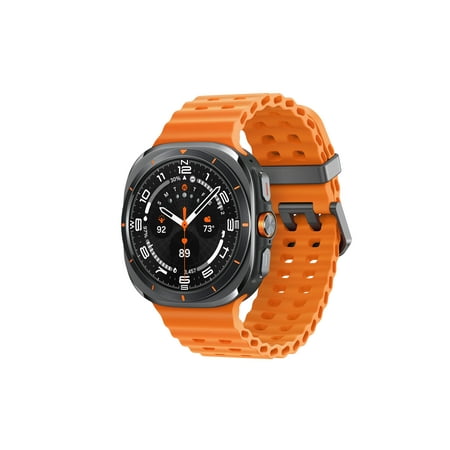
The Samsung Galaxy Watch Ultra is the most technically capable and durably built watch in this guide. A titanium case, sapphire crystal display, 100-hour battery life, and LTE independence combine with Samsung most advanced health monitoring platform — including continuous SpO2 measurement, ECG, advanced sleep tracking, and energy scoring — in a 47mm package built for genuinely demanding use.
Specifications:
- Display: 47mm AMOLED, sapphire crystal
- Battery Life: 100 hours
- OS Compatibility: Android (Samsung Health ecosystem)
- Health Tracking: Continuous SpO2, ECG, heart rate, sleep coaching, snore detection, energy score, body composition
- GPS: Built-in GPS + LTE
- Water Resistance: Yes (premium water resistance rating)
- Charging: Wireless
- Weight: Titanium case build
Real-World Performance
The Samsung Galaxy Watch Ultra stands apart with its massive battery life, durable titanium build, and sapphire crystal display, offering far greater endurance and toughness than most smartwatches in this guide. Even with active use including SpO2 tracking, GPS workouts, and LTE, its real-world battery life remains impressively long.
Samsung’s health platform is also at its most advanced here, combining continuous SpO2 monitoring with FDA-cleared sleep apnea detection on compatible devices, while the Energy Score blends sleep, stress, activity, and blood oxygen data into a practical daily readiness indicator. LTE support allows calls, notifications, and health tracking without a nearby phone, making it especially useful for athletes and commuters, and its current discounted pricing makes it a stronger value than at launch.
Pros:
- 100-hour battery life is exceptional for a health-monitoring smartwatch
- Titanium case and sapphire crystal display for premium durability
- LTE connectivity enables phone-free operation
- Sleep apnea detection integrates with continuous SpO2 monitoring
- Samsung’s most complete health and fitness platform
- Energy score provides practical daily readiness guidance
- 4.7-star rating from over 5,000 verified users
Cons:
- Premium pricing even at current discounted level
- Full feature depth requires Samsung phone ecosystem
- 47mm case size is large — may be uncomfortable on smaller wrists
- Wireless charging only — requires compatible charger
- Samsung ecosystem lock-in for advanced health features
- LTE plan adds ongoing monthly cost
12. Reebok STRIDE
Best For: Active users who want a stylish AMOLED smartwatch with SpO2, Strava and Google Fit integration, 10-day battery, and interchangeable band customization.

The Reebok STRIDE occupies a well-defined niche: a stylish athletic smartwatch with SpO2 tracking that integrates with Strava and Google Fit, offers a 1.43-inch AMOLED display protected by tempered glass, and delivers 10-day battery life in a design that transitions credibly from gym to casual wear. The SnapFit interchangeable band system adds a customization dimension that justifies the slightly higher price point for style-conscious buyers.
Specifications:
- Display: 1.43-inch AMOLED HD touchscreen, tempered glass
- Battery Life: 10 days typical
- OS Compatibility: iOS 15.6+ / Android 9.0+ (Reebok Connect app)
- Health Tracking: SpO2, 24/7 heart rate, sleep analysis, steps, distance, calories
- GPS: GPS via smartphone (connected)
- Water Resistance: IP68
- Charging: USB charging cable (fast charging)
- Weight: Not specified
Real-World Performance
The Reebok STRIDE Smartwatch stands out with its AMOLED display and tempered glass protection, delivering sharp visuals and better scratch resistance for everyday gym and fitness use. It combines SpO2 monitoring with continuous heart rate and sleep tracking, while syncing data through the Reebok Connect app with support for Google Fit and Strava integration for broader fitness analysis.
The realistic 10-day battery life and fast charging reduce charging interruptions, and the SnapFit band system makes it easy to switch styles between work, workouts, and casual use. While review volume is smaller than more established brands, user feedback is consistently positive for comfort, build quality, and tracking performance.
Pros:
- 1.43-inch AMOLED with tempered glass provides premium display protection
- Strava and Google Fit sync for serious fitness tracking integration
- 10-day battery reduces charging frequency
- SnapFit interchangeable bands for style customization
- Hundreds of customizable watch faces
- Fast charging for quick recovery
- Reebok brand recognition adds design credibility
Cons:
- Smaller review sample than established competitors — less user validation
- Connected GPS only — no independent route tracking
- iOS 15.6+ requirement excludes some older iPhones
- Reebok Connect app is newer — long-term software support commitment uncertain
- IP68 does not confirm swim-safe certification details
- SpO2 is likely periodic rather than continuous overnight monitoring
Key Comparisons: Understanding Smartwatch with SpO2 Tracking Categories
Continuous SpO2 monitoring — offered by Fitbit Sense 2 (overnight), Amazfit Band 7 (24/7), Samsung Galaxy Watch Ultra, Samsung Galaxy Watch 4 Classic (sleep), and Apple Watch Series 6 (background) — samples blood oxygen repeatedly throughout the day and particularly during sleep. This continuous sampling is what identifies nocturnal hypoxemia patterns, respiratory disturbances, and altitude-related saturation drops that single on-demand readings miss entirely.
On-demand SpO2 readings — common in most budget watches including Fitpolo, SKG, MUGO, and RUIMEN — provide a single reading when you manually activate the sensor. This gives you a snapshot but misses the patterns that make SpO2 data clinically interesting.
The practical guidance: If you’re monitoring SpO2 for genuine health awareness — particularly sleep-related respiratory health — continuous or overnight monitoring is meaningfully more valuable. If you want occasional readings for altitude awareness or general wellness curiosity, on-demand is adequate.
AMOLED vs LCD vs TFT: Display Quality for Health Data
Displaying SpO2 data and health metrics requires screens that are readable in diverse lighting conditions.
AMOLED displays (Fitbit Sense 2, Samsung Galaxy Watch Ultra, Samsung Galaxy Watch 4 Classic, Apple Watch Series 6, Fitpolo AR-01, Fitpolo 1.85-inch, Reebok STRIDE, Amazfit Band 7) provide deep blacks, vibrant colors, and excellent indoor readability. Always-on AMOLED keeps health data permanently visible. They use more power than LCD alternatives.
LCD/TFT displays (MUGO, Blackview W60, SKG V7 Pro, Fitpolo 1.8-inch) are more power-efficient and can be brighter in harsh direct sunlight, though color accuracy and contrast are lower than AMOLED. For battery longevity priorities — particularly the Blackview W60’s 30-day endurance — LCD is the sensible engineering trade-off.
Bottom line for SpO2 watches: AMOLED provides a better visual experience for daily health data interaction. For watches where battery life is the priority, TFT/LCD is the appropriate display technology.
Premium SpO2 Platforms vs Budget SpO2 Sensors
Premium smartwatch with SpO2 tracking platforms like Fitbit, Apple, and Samsung invest in multi-wavelength optical sensors validated against clinical pulse oximeters, with algorithms refined over several product generations. Their smartwatch with SpO2 tracking readings are generally more consistent, especially during movement and across different skin tones.
Budget smartwatch with SpO2 tracking models use simpler optical hardware with less advanced signal processing. Readings can vary more with wrist position or movement and typically provide less reliable long-term trend data. They are best suited for general wellness awareness rather than clinical-level monitoring.
The honest guidance: no smartwatch with SpO2 tracking should be used for medical diagnosis. However, premium platforms usually provide more dependable wellness trend tracking, while budget models are better for casual spot-check health awareness.
Fitness Watches vs Lifestyle Watches for SpO2
Fitness-focused SpO2 watches (Amazfit Band 7, COROS models, Garmin) prioritize SpO2 accuracy during exercise, altitude monitoring, and recovery metrics. Battery endurance under continuous monitoring is a core engineering priority.
Lifestyle-focused SpO2 watches (Fitbit Sense 2, Samsung Galaxy Watch 4, Apple Watch Series 6) prioritize SpO2 as part of a broader health picture — integrating with sleep analysis, stress data, and cardiac monitoring in platforms designed for long-term health management.
Budget SpO2 watches (MUGO, Fitpolo, SKG, RUIMEN) provide SpO2 as part of a comprehensive feature checklist rather than a platform-level health integration. Useful for wellness awareness, less suited to health trend analysis.
Complete Smartwatch With SpO2 Tracking Buying Guide
What SpO2 Tracking Actually Measures
Pulse oximetry — the technology behind SpO2 tracking — uses LED light to measure how much oxygen is bound to hemoglobin in your blood. Normal SpO2 readings for healthy adults typically fall between 95% and 100%. Readings consistently below 94% may indicate respiratory concerns worth discussing with a healthcare provider.
Smartwatch SpO2 sensors use photoplethysmography (PPG) — optical sensors on the watch back that shine light through the skin and measure light absorption changes as blood flows through vessels. The accuracy depends on:
- Sensor quality: Number and wavelength of LEDs, photodiode sensitivity
- Wrist fit: A loose watch produces unreliable readings
- Movement: Active movement during sampling reduces accuracy
- Skin tone: Earlier generation sensors showed bias across different skin tones — newer sensors are improving
- Ambient light: Bright ambient light can interfere with optical sensors
SpO2 and Sleep: The Most Valuable Use Case
The most valuable use of a smartwatch with SpO2 tracking is overnight sleep monitoring. Drops in blood oxygen during sleep — known as nocturnal hypoxemia — can sometimes indicate sleep apnea, breathing obstruction, or other respiratory issues that affect sleep quality and long-term heart health.
Continuous overnight monitoring on devices like the Fitbit Sense 2, Samsung Galaxy Watch 4 Classic series, and Apple Watch Series 6 can identify repeated oxygen drops that may justify medical follow-up, making continuous sleep tracking far more useful than occasional daytime spot checks.
The Samsung Galaxy Watch Ultra offers the most advanced implementation in this guide by combining continuous SpO2 monitoring with integrated sleep apnea detection features.
Battery Life and SpO2: The Fundamental Trade-Off
- Continuous 24/7 SpO2: Reduces battery life by 30–50% compared to manufacturer estimates in basic smartwatch mode
- Overnight-only SpO2: More battery-efficient than continuous — typical for Fitbit and Apple Watch implementations
- On-demand SpO2: Minimal battery impact per reading — common in budget devices
The Amazfit Band 7’s 18-day battery with 24/7 SpO2 achieves this endurance through efficient Zepp OS power management and a form factor optimized for sensor efficiency. The Blackview W60’s 30-day daily use battery enables continuous SpO2 through a 900mAh capacity that most smartwatches don’t approach. Premium watches (Apple, Samsung, Fitbit) trade battery longevity for sensor quality and platform depth.
Health Platform Depth: Where SpO2 Data Becomes Meaningful
Raw SpO2 numbers are less valuable than contextualized trend data. The platform around your SpO2 sensor determines how useful the data becomes:
- Fitbit Health Platform: SpO2 integrated with Sleep Profile, Stress Management Score, HRV, and 30-day trend analysis. Health data exportable to medical providers through Health Metrics Dashboard.
- Apple Health: SpO2 feeds into the Apple Health repository alongside ECG, heart rate trends, and sleep analysis. Sharing health data with doctors via Apple Health records is well-supported.
- Samsung Health: SpO2 integrated with sleep apnea detection (Galaxy Watch Ultra, Galaxy Watch 7), energy score, and body composition data (Galaxy Watch 4 Classic). Strong long-term health trend visualization.
- Zepp (Amazfit): SpO2 integrated with sleep staging and stress data. Basic but functional — no subscription fees for full access.
- Budget platforms (VeryFit, GloryFit, Reebok Connect): SpO2 data is visible and trackable but analytical depth is limited. Suitable for wellness awareness rather than health monitoring.
Comfort and Wrist Fit: SpO2 Accuracy Depends on It
A smartwatch with SpO2 tracking only works accurately when the sensor maintains consistent skin contact. Even high-end sensors can produce unreliable readings if the watch is worn too loosely or shifts around on the wrist.
Practical guidance:
- Watch weight, case size, and strap material all affect long-term comfort and sensor consistency
- Wear your smartwatch with SpO2 tracking snugly — secure enough for stable contact, but not tight enough to restrict circulation
- Keep the watch positioned on top of your wrist for consistent sensor alignment
- Clean the sensor regularly, since oils and residue can interfere with light transmission
- Arm hair and tattoos may reduce optical sensor accuracy
Android vs iPhone Compatibility for SpO2 Smartwatches
iPhone-exclusive: Apple Watch Series 6 — SpO2 data feeds into Apple Health, which is deeply integrated with iOS health and medical features. Not compatible with Android.
Samsung-deepest: Galaxy Watch 4 Classic and Galaxy Watch Ultra — full health feature access requires Samsung Health Monitor app, which works best on Samsung Android phones. Non-Samsung Android users get reduced functionality.
Cross-platform: Fitbit Sense 2, Amazfit Band 7, Fitpolo, SKG, MUGO, Blackview — companion apps available for both Android and iOS with full SpO2 access regardless of phone brand.
Practical guidance: If you use a non-Samsung Android phone and want the most complete SpO2 health platform, the Fitbit Sense 2 offers the best cross-platform health monitoring experience. For Samsung phone users, Galaxy Watch 4 Classic provides the deepest Android SpO2 integration.
Conclusion
The best smartwatch with SpO2 tracking for most health-conscious buyers is the Fitbit Sense 2 — its combination of continuous overnight SpO2 monitoring, cEDA stress sensing, ECG, and Fitbit’s mature health platform creates a wellness device that genuinely earns the “health smartwatch” label rather than just listing SpO2 as a feature. For premium buyers who want the most complete and durable implementation, the Samsung Galaxy Watch Ultra titanium build, 100-hour battery, sleep apnea detection, and LTE independence represent the current ceiling of what consumer SpO2 smartwatches can deliver.
At the budget end of the spectrum, the Amazfit Band 7 – 24/7 continuous SpO2 monitoring across an 18-day battery makes it the most genuinely useful health tracker for price-conscious buyers who prioritize monitoring consistency over smartwatch features. And for users who simply want to access SpO2 readings without significant investment, the Fitpolo options and SKG V7 Pro deliver functional periodic monitoring with solid companion app support at a price that removes any financial barrier to entry.
Whatever your budget or primary use case, the most important consideration before purchasing is understanding whether you need continuous overnight SpO2 monitoring or on-demand periodic readings — because that distinction determines which category of watch actually serves your health goals.