Category Archive

Samsung

In samsung smartphones category, you will find information about Top 10 Best Smartphones by samsung. Samsung Android smartphones review and full specification about Samsung mobile phones.

Latest Stories

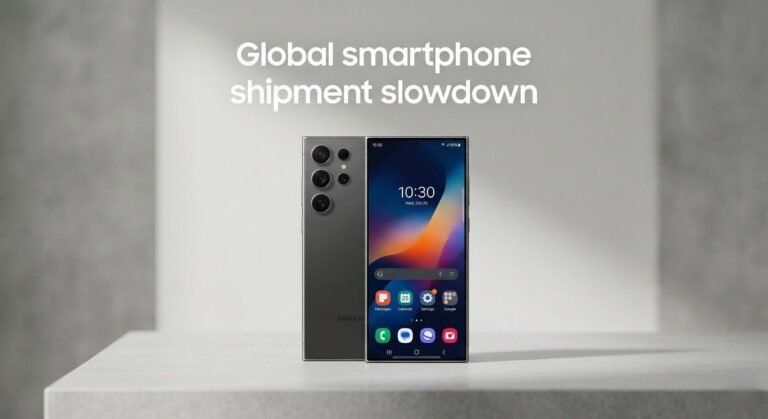
Global smartphone shipment slowdown hits Samsung in Q1

0

global smartphone shipment slowdown is reshaping the pecking order at the top of the mobile industry, and Samsung is feeling the impact despite launching new flagship hardware. Fresh shipment estimates from industry watchers suggest the overall market contracted during the first quarter, with Samsung’s unit volumes slipping year over year and its lead position challenged by Apple’s momentum.

For Android fans, this is not just a scoreboard update. When the market softens, phone makers typically respond in predictable ways: they push premium models harder, trim entry-level lineups, lean into trade-ins and financing, and adjust pricing to protect margins. The result is that buyers may see fewer truly “cheap” phones, more storage tiers priced as upgrades, and a heavier marketing focus on Ultra-style devices that can carry profit even if total shipments fall.

Counterpoint Research data cited in recent reporting indicates Samsung’s smartphone shipments fell by around 6% year over year in the quarter, nudging its market share down by roughly a point. The same dataset shows Apple taking the top spot for the period, helped by strong iPhone demand and the company’s unusually effective retail and trade-in engine. Meanwhile, several Android brands in the top five also saw weakness, highlighting that this is a market-wide demand story, not a Samsung-only stumble.

Current image: Global smartphone shipment slowdown hits Samsung in Q1

What’s driving the global smartphone shipment slowdown

The smartphone industry has been searching for a durable growth engine for a while. Replacement cycles have lengthened, flagship improvements are more incremental than revolutionary, and midrange phones have become “good enough” for many people. But this quarter’s softness has an additional pressure point: component economics.

Analysts point to rising costs in key parts of the smartphone bill of materials—particularly memory—at a time when the broader supply chain is increasingly optimized for AI infrastructure. When suppliers prioritize higher-margin shipments to data centers, consumer electronics companies can face tighter supply or higher prices, which then compress margins for phone makers. The easiest lever for OEMs is to pass some of those costs on to consumers, but higher prices also suppress demand, especially in the mass-market segment.

That combination—weak demand plus cost pressure—is the classic recipe for a shipment decline.

What it means

When the market shrinks, brands have to choose between:

  • selling fewer phones at higher prices, or
  • cutting prices and taking slimmer margins.

Most choose a mix, but premium devices usually get priority because they generate more profit per unit.


Samsung’s Q1 problem: mass-market weakness and timing

Samsung reported shipment dip is notable because it arrived in a quarter where the company still had significant flagship visibility. However, two dynamics appear to have worked against it.

1) Weaker demand where Samsung sells the most volume

Samsung dominates across price tiers, but the heaviest shipment volumes typically come from its mainstream and budget Galaxy lines. When consumers delay upgrades, the midrange and entry-level segments tend to soften first. That is where price sensitivity is highest and where buyers are most likely to hang onto a phone for an extra year.

2) Flagship timing matters more than it used to

Even a short delay in a major Galaxy launch window can push meaningful volume into the next quarter. That does not necessarily indicate poor demand; it can be a calendar effect that shifts shipments rather than destroying them. But in a competitive market, timing still affects who “wins” a quarter.

Samsung can sell a lot of Galaxy Ultra units and still lose share if the broader funnel—midrange upgrades, carrier promotions, and retail replenishment—does not stay strong.


Apple takes the top spot: why it keeps working

Apple leading a quarter is not shocking, but it is still strategically important because it shows what is working in a weak market.

Apple benefits from three advantages that become even more powerful during slowdowns:

  • Trade-in strength: iPhone buyers are trained to swap devices on a schedule, often with high residual values that reduce upgrade friction.
  • Ecosystem lock-in: services, accessories, and cross-device features keep users from switching even when upgrades feel incremental.
  • Retail execution: Apple and its partners are extremely good at packaging financing, carrier deals, and storage upgrades as a “reasonable” monthly payment.

In a soft market, that machine can turn hesitation into purchases.

For Android brands, this is a reminder that hardware alone does not win quarters. Distribution, promotions, and upgrade programs matter just as much.


Xiaomi, OPPO, and vivo: the rest of the top five isn’t immune

The same Counterpoint snapshot puts Xiaomi in third with a meaningful share but a sharper year-over-year decline than its peers. OPPO and vivo round out the top five. The key takeaway is not the exact ranking; it is that shipment pressure is widespread. Even brands known for aggressive pricing and strong emerging-market presence are exposed when consumers pull back and component costs rise.

A slowdown that hits both premium and value-focused OEMs suggests broad caution among buyers, not just a “bad product cycle” for one company.


How Samsung is likely to respond next

If you watch Samsung’s behavior during past market dips, you can almost predict the playbook.

Expect more emphasis on premium configurations

When costs rise, Samsung often simplifies entry-level options and pushes buyers toward higher storage tiers. That can make base models feel less attractive and upgrade tiers feel “necessary,” which improves average selling prices.

Production adjustments can signal confidence

Reports suggest Samsung has increased production of its newest flagships heading into the next month. That is a meaningful indicator: companies do not raise production unless they see demand or expect stronger channel orders. If those units sell through, Samsung could rebound in the following quarter even if the broader market remains soft.

Promotions will intensify

In the US and other mature markets, Samsung often competes with Apple using:

  • aggressive trade-in values
  • bundle deals (watch, earbuds, tablet credits)
  • carrier financing incentives
  • limited-time storage upgrades

These offers do not always show up as “price cuts,” but they function as discounts.


What this means for Android buyers

A market slowdown sounds abstract, but it can directly affect what you pay and what phones get launched.

You may see higher starting prices

If memory and other components stay expensive, “base model” pricing can creep upward. Brands will justify this with more RAM, more storage, or “premium positioning,” but the real driver is protecting margins.

Budget options may get trimmed

When demand weakens, OEMs reduce SKU complexity. That can mean fewer models in the low end, fewer regional variants, and fewer truly cheap devices in carrier stores.

Longer software support becomes a selling point

If people upgrade less often, update policy becomes more valuable. Samsung has already been leaning hard into longer OS and security support promises, and a slowdown reinforces that strategy.


The bigger picture: the smartphone industry is maturing

The global smartphone shipment slowdown is another sign that the market is behaving like a mature category. Growth now comes from:

  • replacement cycles
  • premium upsells
  • ecosystem services
  • regional expansion
  • and occasional form-factor shifts (foldables, new battery tech, on-device AI)

That does not mean innovation is dead. It means companies have to work harder to convince people they need a new phone this year instead of next year.

For Samsung, the immediate challenge is balancing profitability with volume. If it leans too far into premium pricing, it risks weakening its mass-market base. If it chases volume with discounts, it risks margin compression in a costlier component environment.

Either way, the next quarter will be a key signal: does demand stabilize with new flagship availability and promotions, or does the market continue to contract, forcing deeper changes to lineups and pricing?

Samsung Galaxy Z TriFold Restock – Final Chance to Buy Samsung’s Most Ambitious Foldable

0

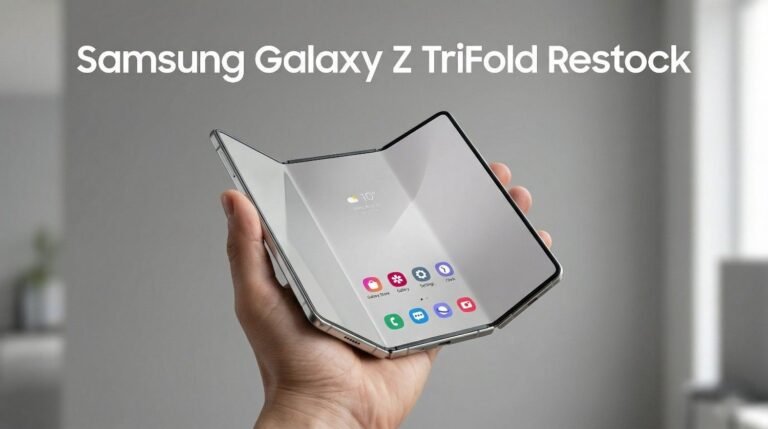
The Galaxy Z TriFold restock is shaping up to be one of the most intense smartphone buying moments in recent memory. Samsung is preparing what appears to be the final wave of availability for its ultra-premium tri-folding device, the Samsung Galaxy Z TriFold, and demand is expected to significantly exceed supply.

After an unusually short lifecycle and limited production strategy, the Galaxy Z TriFold is now approaching the end of its commercial availability. For enthusiasts, collectors, and early adopters, this restock represents a last opportunity to secure one of the most experimental and forward-looking Android devices ever released.

Current image: Samsung Galaxy Z TriFold Restock - Final Chance to Buy Samsung’s Most Ambitious Foldable

Why the Galaxy Z TriFold Restock Matters

The Galaxy Z TriFold restock is not a typical inventory refresh. Instead, it signals the closing chapter of a device that was never meant to be mainstream. Samsung introduced the TriFold as a concept-driven, ultra-premium product designed to showcase the future of foldable technology rather than dominate global sales charts.

Several factors contribute to why this restock is generating extraordinary attention:

  • Extremely limited production batches from the start
  • Availability restricted to select markets like the United States and South Korea
  • High manufacturing costs due to complex hinge and display engineering
  • Strong early demand that quickly exhausted initial inventory

Samsung’s strategy positioned the Galaxy Z TriFold closer to a “halo device” rather than a mass-market flagship. That decision is now culminating in a final sales push that could disappear within minutes of going live.


Where the Galaxy Z TriFold Will Be Available

For buyers tracking the Galaxy Z TriFold restock, availability will likely be concentrated across a few key retail channels. While Samsung has not publicly disclosed exact inventory distribution, historical sales patterns provide strong indicators.

Expected Retailers

  • Official Samsung online store
  • Major electronics retailers in supported regions
  • Select carrier partnerships (limited)

The official Samsung store remains the most reliable source, as previous restocks were primarily handled directly through Samsung’s own platform. Third-party retailers may receive smaller allocations, but availability could vary significantly depending on region.

Because of the limited stock, buyers should not rely on a single retailer. Monitoring multiple platforms simultaneously increases the chances of success.


How to Buy Before It Sells Out

Securing a device during the Galaxy Z TriFold restock will require preparation, speed, and a bit of luck. Unlike traditional product launches, there is no guarantee that adding the phone to your cart will reserve it.

Essential Pre-Checkout Preparation

To maximize your chances, complete these steps before the restock begins:

  • Create and log into your Samsung account in advance
  • Save your shipping address and preferred delivery options
  • Preload payment methods to avoid delays during checkout
  • Test the checkout flow with a low-cost item to ensure everything works smoothly

These steps eliminate friction during the most critical seconds of the buying process.

Real-Time Buying Strategy

When the restock goes live, execution becomes crucial:

  • Refresh the product page frequently as launch time approaches
  • Use multiple devices (phone, tablet, desktop) for parallel attempts
  • Avoid refreshing too aggressively to prevent temporary blocks
  • Complete checkout immediately once the item is added to your cart

It is important to understand that carts are not reserved. A delay of even a few seconds during payment confirmation could result in losing the device.


Why Samsung Is Discontinuing the Galaxy Z TriFold

The Galaxy Z TriFold restock is happening because Samsung is clearing its remaining inventory before discontinuing the device entirely. This decision is not surprising given the product’s positioning and technical complexity.

Key Reasons Behind Discontinuation

1. High Production Costs
The tri-fold design requires advanced hinge systems and flexible display technology, significantly increasing manufacturing expenses.

2. Limited Market Strategy
Samsung never intended the device to be widely available. Initial production runs were capped at very low volumes.

3. Experimental Product Category
The TriFold serves as a proof-of-concept for future innovation rather than a long-term commercial product.

4. Portfolio Focus
Samsung continues to prioritize more established foldable lines, such as the Galaxy Z Fold and Z Flip series.

This combination of factors makes the TriFold a rare device that blends innovation with exclusivity.


What Happens After It Sells Out

Once the Galaxy Z TriFold restock is completed, the device will effectively disappear from primary retail channels. However, ownership does not end with the purchase.

Software Updates and Support

Samsung is expected to continue providing:

  • Android OS updates for a limited period
  • Security patches in line with flagship device policies
  • Customer support for hardware and software issues

Warranty and Repairs

Buyers should not be concerned about immediate support loss:

  • Standard warranty policies will remain valid
  • Authorized service centers will handle repairs
  • Replacement parts may become limited over time

As with any limited-run device, long-term repairability could become more challenging as inventory of components declines.


Best Alternatives if You Miss Out

If the Galaxy Z TriFold restock sells out before you can secure one, there are still strong alternatives within the foldable and premium smartphone market.

Samsung Alternatives

  • Galaxy Z Fold series for a refined foldable experience
  • Galaxy S Ultra lineup for top-tier performance and cameras

Competitor Options

Other brands are also pushing innovation in foldable technology, offering compelling alternatives with different design philosophies and pricing strategies.

While none replicate the exact tri-fold design, many provide practical usability and broader availability.


The Bigger Picture for Foldable Smartphones

The Galaxy Z TriFold restock represents more than just a product sale. It reflects a broader trend in the evolution of foldable devices.

Samsung continues to lead in foldable innovation, but the TriFold highlights the challenges of pushing boundaries:

  • Engineering complexity increases exponentially with new form factors
  • Consumer demand for ultra-premium devices remains niche
  • Pricing plays a critical role in adoption

Despite these challenges, devices like the TriFold pave the way for future advancements that could eventually reach mainstream users.


Final Thoughts

The Galaxy Z TriFold restock is a rare moment in the smartphone industry — a combination of scarcity, innovation, and urgency. For buyers, it represents a final opportunity to own a device that stands at the cutting edge of mobile engineering.

However, success will depend on preparation and timing. With limited units and overwhelming demand, this restock is unlikely to last long. Those who act quickly and strategically will have the best chance of securing one of the most unique Android smartphones ever created.

OnePlus vs Samsung – The Ultimate Android Comparison for Buyers

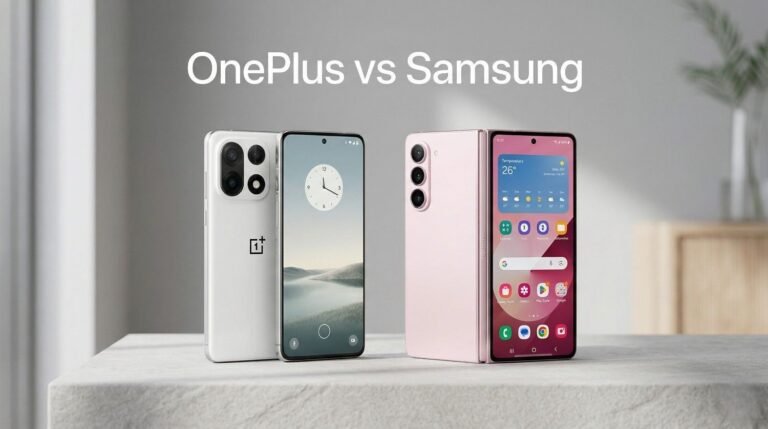
When it comes to choosing a premium Android smartphone, the debate around OnePlus vs Samsung continues to dominate buyer discussions worldwide. Both OnePlus and Samsung have built strong reputations, but they approach the smartphone experience very differently.

For buyers trying to decide where to spend their money, the OnePlus vs Samsung comparison goes far beyond specs. It includes software experience, camera performance, battery innovation, long-term support, and overall ecosystem value.

This in-depth breakdown will help you understand which brand truly delivers the best value depending on your needs.

Current image: OnePlus vs Samsung - The Ultimate Android Comparison for Buyers

OnePlus vs Samsung Design and Build Quality

The OnePlus vs Samsung debate begins with design philosophy. Both brands deliver premium hardware, but their approach differs significantly.

OnePlus Design Approach

OnePlus focuses on clean aesthetics with minimal branding and a strong emphasis on ergonomics. Devices are typically lighter and more comfortable to hold, with curved edges and slim profiles.

  • Sleek and minimalist design language
  • High refresh rate displays across most models
  • Lightweight build for daily usability

Samsung Design Approach

Samsung, on the other hand, prioritizes a more refined and premium look, especially in its flagship Galaxy S and Fold series.

  • Premium materials like Armor Aluminum and Gorilla Glass
  • More polished and bold design identity
  • Industry-leading display technology

In the OnePlus vs Samsung design comparison, Samsung often wins on premium feel, while OnePlus excels in comfort and simplicity.

Display Technology: Who Does It Better?

Displays are a key battleground in the OnePlus vs Samsung comparison. Both brands offer high refresh rate AMOLED panels, but Samsung still leads in display innovation.

Samsung’s Display Advantage

Samsung is known for producing some of the best smartphone displays in the industry.

  • Superior brightness and color accuracy
  • Better HDR performance
  • Advanced LTPO technology for power efficiency

OnePlus Display Strengths

OnePlus has significantly improved its displays in recent years.

  • Smooth 120Hz or higher refresh rates
  • Excellent color tuning
  • Competitive brightness levels

While OnePlus delivers excellent displays, Samsung maintains a slight edge in overall quality and consistency.

Camera Performance: OnePlus vs Samsung

Camera capability is often the deciding factor in the OnePlus vs Samsung debate.

Samsung Camera Leadership

Samsung’s flagship devices, especially the Ultra models, are known for their powerful camera systems.

  • Advanced zoom capabilities
  • High-resolution sensors
  • Strong low-light performance
  • Versatile shooting modes

OnePlus Camera Evolution

OnePlus has made major improvements through partnerships and software tuning.

  • Natural color science
  • Fast image processing
  • Improved portrait and night modes

In the OnePlus vs Samsung camera comparison, Samsung still leads overall, particularly for zoom and versatility, while OnePlus offers a more balanced and user-friendly experience.

Performance and Hardware

Performance is one area where the OnePlus vs Samsung gap is much smaller. Both brands use top-tier chipsets in their flagship devices.

What You Can Expect

  • Flagship processors deliver smooth performance
  • Excellent gaming capabilities
  • Efficient multitasking

OnePlus often feels slightly faster due to its lighter software, while Samsung offers more features at the cost of slightly heavier processing demands.

Software Experience: OxygenOS vs One UI

Software plays a huge role in the OnePlus vs Samsung decision.

OnePlus OxygenOS

  • Clean and near-stock Android experience
  • Faster animations and smoother UI
  • Less bloatware

Samsung One UI

  • Feature-rich interface
  • Deep customization options
  • Better ecosystem integration

In the OnePlus vs Samsung software comparison, OnePlus wins for simplicity and speed, while Samsung excels in features and customization.

Battery and Charging Innovation

Battery performance is another critical factor in the OnePlus vs Samsung comparison.

OnePlus Battery Strength

  • Larger battery capacities in many models
  • Extremely fast charging technology
  • Efficient power management

Samsung Battery Approach

  • Reliable battery performance
  • Slower but safer charging speeds
  • Better optimization with software

OnePlus clearly leads in charging speed, while Samsung focuses on long-term battery health and consistency.

After-Sales Service and Availability

The OnePlus vs Samsung comparison also depends on regional support and service networks.

Samsung Advantage

  • Extensive global service network
  • Easier access to repairs and support
  • Strong retail presence

OnePlus Challenges

  • Limited service centers in some regions
  • Reduced physical retail presence
  • Growing but still smaller support network

Samsung has a clear advantage in after-sales support, which can be a deciding factor for many buyers.

Pricing and Value for Money

Pricing is where the OnePlus vs Samsung debate becomes most interesting.

OnePlus Value Proposition

  • Competitive pricing for flagship specs
  • Better value in mid-range and flagship killer segments

Samsung Pricing Strategy

  • Higher prices for premium features
  • Frequent discounts and offers

If you are looking for raw value, OnePlus often delivers more for the price. However, Samsung justifies its pricing with additional features and brand reliability.

OnePlus vs Samsung: Which Should You Choose?

The final decision in the OnePlus vs Samsung comparison depends on what you prioritize in a smartphone.

Choose OnePlus If You Want

  • Clean and fast software experience
  • Faster charging and bigger batteries
  • Better value for money

Choose Samsung If You Want

  • Best-in-class display and cameras
  • Feature-rich software and ecosystem
  • Strong after-sales support

Final Verdict

The OnePlus vs Samsung debate does not have a one-size-fits-all answer. Both brands excel in different areas, making them suitable for different types of users.

OnePlus is ideal for users who want speed, simplicity, and value. Samsung is better suited for those who prioritize premium features, camera performance, and long-term support.

Ultimately, your choice should align with your usage habits and priorities. Regardless of which brand you choose, both OnePlus and Samsung continue to push the Android ecosystem forward with innovation and competition.

Samsung Messages Shutdown Marks a Major Shift in Android Messaging

0

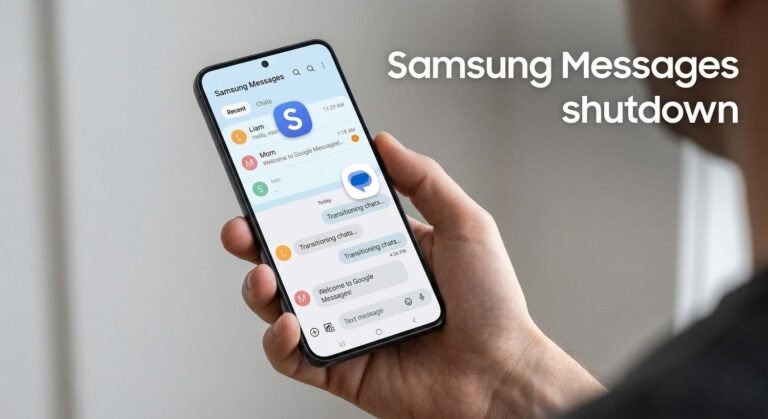
The Samsung Messages shutdown is now officially confirmed, signaling a major transition for millions of Galaxy users who have relied on the native messaging app for years. Samsung is gradually phasing out its in-house messaging platform and pushing users toward Google Messages as the default alternative across its ecosystem.

This move reflects a broader strategy shift within Android, where collaboration between Samsung and Google is becoming increasingly central to delivering a unified messaging experience. While the change may feel abrupt to long-time users, it also introduces modern features, improved security, and deeper integration with Android services.

For users still relying on Samsung Messages, the transition is not optional. The company has made it clear that support will end, and users will need to migrate to continue sending and receiving messages without interruption.

Current image: Samsung Messages Shutdown Marks a Major Shift in Android Messaging

What the Samsung Messages Shutdown Means for Galaxy Users

The Samsung Messages shutdown will impact a wide range of Galaxy devices, particularly those running newer Android versions. Once the service is fully discontinued, the app will no longer function for regular messaging, effectively rendering it obsolete for everyday use.

Key Changes Users Should Know

  • The app will stop supporting standard SMS, MMS, and RCS messaging
  • It will no longer be available for download from official stores
  • Messaging functionality will be limited to emergency use in some cases
  • New Galaxy devices are already shipping without the app

Samsung has already started implementing these changes by removing access to the app on newer smartphones. This indicates that the transition is already underway, even before the final shutdown deadline arrives.

Why Samsung Is Phasing Out Its Messaging App

The decision behind the Samsung Messages shutdown is rooted in long-term ecosystem alignment. Rather than maintaining a separate messaging platform, Samsung is consolidating efforts around Google’s messaging infrastructure.

Strategic Reasons Behind the Move

  • Unified messaging experience across Android devices
  • Better support for Rich Communication Services (RCS)
  • Faster feature updates through Google’s platform
  • Reduced fragmentation within the Android ecosystem

Over the past few years, Samsung and Google have worked closely to expand RCS adoption, making modern messaging features more widely available. By standardizing on Google Messages, both companies aim to compete more effectively with platforms like iMessage.

Samsung Messages Shutdown vs Google Messages: What Changes

The Samsung Messages shutdown doesn’t just remove an app—it replaces it with a more advanced messaging platform. Google Messages brings several upgrades that go beyond traditional SMS functionality.

Key Advantages of Google Messages

  • RCS Messaging Support
    Send high-quality images and videos with read receipts, typing indicators, and enhanced group chats
  • Improved Security
    Built-in spam protection and AI-powered scam detection
  • Cross-Device Sync
    Access messages on phones, tablets, and desktops seamlessly
  • Smart Features
    AI-driven suggestions, quick replies, and contextual actions
  • Automatic OTP Management
    One-time passwords can be auto-deleted after a set period

These features position Google Messages as a modern communication hub rather than just a basic texting app.

How to Switch Before the Samsung Messages Shutdown

To avoid disruptions caused by the Samsung Messages shutdown, users should switch to Google Messages as soon as possible. The process is straightforward and takes only a few minutes.

Step-by-Step Migration Guide

  1. Download Google Messages from the Play Store if it’s not already installed
  2. Open the app and follow the on-screen setup instructions
  3. Tap “Set default SMS app” when prompted
  4. Select Google Messages from the list
  5. Confirm your choice

Once completed, all future messages will be handled through Google Messages. Existing SMS conversations should remain accessible, though RCS chats may require reactivation.

Important Things to Keep in Mind During Transition

The Samsung Messages shutdown may cause temporary disruptions for some users, especially those using older devices or specific features.

Potential Issues to Watch For

  • Temporary interruption in RCS chats during migration
  • Manual setup required on older Android versions
  • Limited compatibility with older Galaxy Watch models
  • Need to reconfigure messaging settings

Despite these minor challenges, the transition is designed to be as smooth as possible, with Samsung providing in-app guidance and notifications.

Which Devices Are Affected by Samsung Messages Shutdown

The impact of the Samsung Messages shutdown depends largely on your device and Android version.

Devices Most Affected

  • Galaxy smartphones running Android 12 or newer
  • Recently launched Galaxy devices without the app pre-installed
  • Tablets and wearables relying on Samsung’s messaging ecosystem

Older devices running earlier Android versions may continue using the app temporarily, but long-term support will still end.

Why This Change Matters for the Future of Android

The Samsung Messages shutdown is more than just an app discontinuation—it represents a shift toward a more unified Android ecosystem. By consolidating messaging under Google’s platform, Android aims to deliver a consistent and feature-rich experience across devices.

Broader Industry Impact

  • Strengthens Android’s position against Apple iMessage
  • Accelerates adoption of RCS as a global messaging standard
  • Encourages developers to focus on a single messaging platform
  • Simplifies user experience across brands

This move could ultimately benefit users by reducing fragmentation and improving compatibility across devices and services.

Should You Be Concerned About the Shutdown?

While the Samsung Messages shutdown may initially feel inconvenient, it is not necessarily a negative change. In fact, for most users, the transition will result in a better messaging experience.

Why You Shouldn’t Worry

  • Google Messages offers more features than Samsung Messages
  • The migration process is simple and guided
  • Your existing messages will not be lost
  • Future updates will bring even more capabilities

For users who prefer modern messaging features and cross-platform compatibility, this shift is likely to be a positive development.

Final Thoughts

The Samsung Messages shutdown marks the end of an era for Galaxy users, but it also opens the door to a more advanced and unified messaging experience. As Samsung aligns more closely with Google, users can expect improved features, better security, and a more seamless Android ecosystem.

If you are still using Samsung Messages, now is the time to switch. Making the move early ensures a smoother transition and allows you to take full advantage of everything Google Messages has to offer.

Samsung Smartphone Pricing Strategy Signals a Major Shift for Galaxy Devices

0

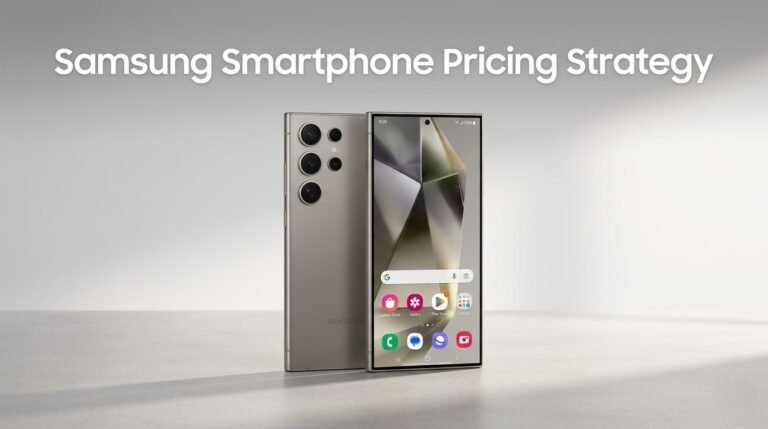
Samsung is quietly reshaping its approach to rising costs, and the Samsung smartphone pricing strategy now emerging could have far-reaching implications for Android users worldwide. As component prices surge and the cost of building modern smartphones continues to climb, the company is adopting new sourcing and supply chain tactics to stay competitive without pushing prices even higher.

The Samsung smartphone pricing strategy comes at a time when the broader mobile industry is facing unprecedented pressure from rising memory chip costs, expensive AI components, and tightening margins. For consumers, this shift could determine whether future Galaxy devices remain accessible or become increasingly premium.

Current image: Samsung Smartphone Pricing Strategy Signals a Major Shift for Galaxy Devices

Why Smartphone Prices Are Rising Across the Industry

To understand the significance of Samsung new direction, it is important to examine the forces driving up smartphone prices. Over the past year, the cost of key components—particularly DRAM and NAND memory—has increased sharply. These components are essential for modern smartphones, especially as devices become more powerful and AI-driven.

In addition to memory, processors and advanced camera modules have also become more expensive. The integration of on-device AI capabilities requires more sophisticated hardware, further increasing the bill of materials for manufacturers.

This combination of factors has created a challenging environment where companies must either absorb higher costs or pass them on to consumers. The Samsung smartphone pricing strategy appears to be an attempt to strike a balance between these two options.

A Shift Toward Diversified Supply Chains

One of the most notable aspects of the Samsung Smartphone pricing strategy is its increased reliance on a diversified supplier network. Traditionally, Samsung has relied heavily on its in-house component divisions, particularly for displays and other critical parts.

However, recent reports indicate that the company is now sourcing more components from external suppliers, including Chinese manufacturers. For example, OLED panels for certain mid-range Galaxy devices are reportedly being sourced from companies such as CSOT.

This marks a significant departure from Samsung’s earlier approach, where vertical integration was a key strength. By expanding its supplier base, the company aims to reduce costs and mitigate the impact of rising component prices.

Impact on Galaxy A and S Series Devices

The Samsung smartphone pricing strategy is expected to have a direct impact on both mid-range and flagship devices. In the Galaxy A series, which targets budget-conscious users, cost optimization is particularly critical. By sourcing components more competitively, Samsung can maintain attractive pricing while still offering modern features.

For flagship devices in the Galaxy S series, the strategy is more nuanced. While these devices command higher prices, they also face intense competition from other premium smartphones. Cost control measures could help Samsung maintain margins without significantly increasing retail prices.

Interestingly, the company is also reportedly exploring changes in other components, such as camera modules and hinge mechanisms for foldable devices. These adjustments suggest a broader effort to optimize costs across the entire product lineup.

Balancing Cost and Quality

A key question surrounding the Samsung smartphone pricing strategy is whether these changes will affect product quality. Historically, Samsung has maintained a strong reputation for display technology and overall build quality, largely due to its in-house manufacturing capabilities.

By sourcing components from external suppliers, the company must ensure that quality standards remain consistent. While Chinese manufacturers have made significant advancements in recent years, maintaining uniform performance across devices will be crucial.

Samsung’s ability to balance cost savings with quality assurance will likely determine the success of this strategy. Any compromise in user experience could undermine the benefits of lower production costs.

The Role of Chinese Suppliers in the Global Market

The increasing involvement of Chinese component manufacturers reflects a broader shift in the global supply chain. Companies in China have rapidly improved their technological capabilities, narrowing the gap with established players.

For Samsung, partnering with these suppliers offers both opportunities and challenges. On one hand, it provides access to cost-effective components. On the other hand, it introduces new dependencies and potential risks related to supply chain stability.

This evolving dynamic is not unique to Samsung; it is part of a larger trend where global tech companies are rethinking their sourcing strategies in response to changing economic conditions.

What This Means for Consumers

For consumers, the Samsung smartphone pricing strategy could have mixed implications. On the positive side, it may help stabilize prices in a market where costs are rising rapidly. This is particularly important for mid-range devices, which are often the most price-sensitive.

However, there may also be concerns about consistency and long-term reliability. As Samsung integrates components from a wider range of suppliers, ensuring a seamless user experience across all devices will be essential.

Ultimately, the impact on consumers will depend on how effectively Samsung executes this strategy. If done well, it could result in better value for money without compromising quality.

A Broader Industry Trend

Samsung’s approach is likely to influence other manufacturers as well. As one of the largest smartphone makers in the world, its decisions often set the tone for the industry.

If the Samsung smartphone pricing strategy proves successful, other brands may adopt similar tactics to manage rising costs. This could lead to a more diversified and competitive supply chain ecosystem.

At the same time, it highlights the challenges facing the smartphone industry as it transitions into an era of AI-driven devices and increasing hardware complexity.

Final Thoughts

The Samsung smartphone pricing strategy represents a pragmatic response to a rapidly changing market. By diversifying its supply chain and optimizing component sourcing, the company is attempting to navigate the challenges of rising costs while maintaining its competitive edge.

For Android users, this shift could shape the future of Galaxy devices, influencing everything from pricing to performance. While uncertainties remain, one thing is clear: the way smartphones are built and priced is undergoing a significant transformation.

As the industry continues to evolve, Samsung’s strategy will be closely watched, not just by competitors but by consumers looking for the best balance between price and performance.

Samsung Emergency Mode Signals Trouble for Its Smartphone Business

0

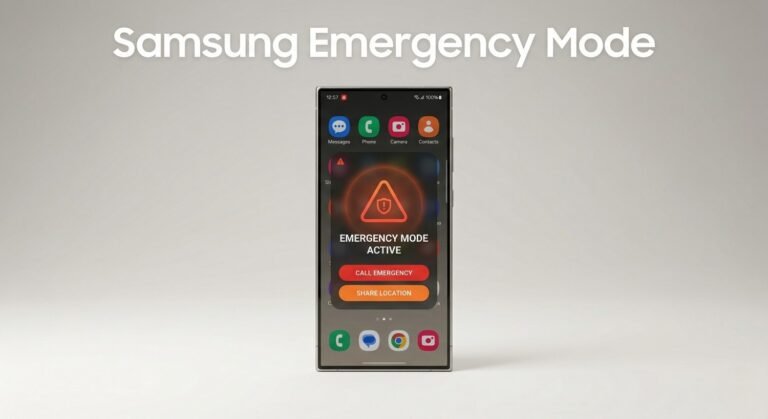
In a development that could reshape the global smartphone landscape, Samsung Electronics has reportedly placed its smartphone division under what insiders describe as “Samsung emergency mode.” The move comes amid a sharp decline in profitability, rising component costs, and intensifying competition across key markets.

The Samsung emergency mode decision is not limited to smartphones alone. Reports suggest that similar cost-control and restructuring measures are being extended to the company’s broader Device eXperience (DX) division, which includes televisions and home appliances. This indicates a deeper structural challenge rather than a short-term fluctuation.

For consumers and industry observers, the implications are significant. Samsung is not just another smartphone brand—it is one of the most influential players in the Android ecosystem. Any major shift in its strategy has ripple effects across pricing, innovation, and competition.

Current image: Samsung Emergency Mode Signals Trouble for Its Smartphone Business

What Triggered Samsung Emergency Mode?

At the core of Samsung emergency mode lies a surge in component costs, particularly memory. As one of the world’s largest semiconductor manufacturers, Samsung is uniquely positioned in the supply chain. However, even this vertical integration has not shielded its smartphone business from cost pressures.

Recent industry estimates suggest that DRAM prices have surged dramatically, with increases reaching as high as 150 to 180 percent. These rising costs are being compounded by the growing demand for AI-related hardware, which requires more advanced and expensive components.

Executives within Samsung’s mobile division have acknowledged that these cost increases are directly impacting product pricing. Devices like the Galaxy S series have already seen noticeable price hikes, reflecting the higher bill of materials required to deliver modern features.

Profit Margins Under Severe Pressure

The financial impact of these challenges is becoming increasingly evident. Samsung’s Mobile eXperience (MX) division, which previously maintained relatively healthy operating margins, is now facing a steep decline.

Estimates suggest that margins could fall to low single digits, with the possibility of slipping into losses if current conditions persist. This is a dramatic shift for a division that has historically been a key contributor to Samsung’s overall profitability.

What makes the situation more concerning is that increasing shipment volumes may not necessarily improve profitability. In fact, higher sales could potentially deepen losses if production costs remain elevated. This creates a difficult balancing act for the company as it navigates the current environment.

Cost-Cutting Measures and Internal Restructuring

In response to these pressures, Samsung emergency mode has triggered a series of internal changes aimed at reducing costs and improving efficiency. These measures reportedly include workforce optimization initiatives, tighter budget controls, and adjustments to operational policies.

Travel budgets have been reduced, internal expenses are being scrutinized more closely, and discussions around voluntary retirement programs have emerged. While such steps are not uncommon during periods of financial strain, their scale and timing highlight the seriousness of the situation.

There are also indications of growing tension within the organization, particularly around changes to roles, incentives, and long-term planning. For a company of Samsung’s size, managing internal alignment during such transitions will be critical.

A Tale of Two Divisions

Interestingly, the challenges facing Samsung’s smartphone business stand in stark contrast to the performance of its semiconductor division. While the DX division struggles, the Device Solutions (DS) division is benefiting from the same memory price increases that are hurting smartphones.

This divergence underscores a broader shift within the tech industry. Components that drive profitability in one segment can simultaneously create cost pressures in another. For Samsung, this dual role as both supplier and manufacturer adds complexity to its strategic decisions.

It also raises questions about how the company will balance its priorities moving forward. Should it focus more on its profitable semiconductor business, or double down on its consumer-facing products to maintain market leadership?

Rising Competition From Android Rivals

Samsung emergency mode is unfolding against a backdrop of intensifying competition in the Android market. Brands like Xiaomi, Oppo, Vivo, Realme, and iQOO continue to expand their presence, particularly in price-sensitive regions.

Unlike Samsung, many of these companies operate without their own semiconductor manufacturing capabilities. They rely on external suppliers for components, yet still manage to compete aggressively on pricing.

This dynamic highlights the intensity of competition in the market. If Samsung, with its integrated supply chain, is facing margin pressure, the situation for other brands could be even more challenging—or it could indicate that competitors are operating on thinner margins to gain market share.

What This Means for Smartphone Prices

One of the most immediate consequences of Samsung emergency mode is its potential impact on smartphone pricing. As production costs rise, manufacturers are increasingly passing those costs on to consumers.

This trend is already visible in recent flagship launches, where price increases have become more common. For consumers, this means that upgrading to a new device may require a higher investment than in previous years.

At the same time, brands must be careful not to push prices too high, as this could dampen demand. Striking the right balance between profitability and affordability will be a key challenge for Samsung and the broader industry.

Broader Implications for the Android Ecosystem

The Samsung emergency mode situation is not just about one company—it reflects wider pressures affecting the entire Android ecosystem. Rising component costs, evolving consumer expectations, and intense competition are reshaping the industry.

For developers, manufacturers, and consumers alike, these changes could influence everything from device availability to feature innovation. Companies may prioritize efficiency and cost control over experimental features, potentially slowing the pace of innovation in certain areas.

However, challenges often drive transformation. The current environment could also lead to new strategies, partnerships, and technological breakthroughs as companies adapt to changing conditions.

Final Thoughts

Samsung emergency mode represents a pivotal moment for one of the world’s leading smartphone manufacturers. While the company continues to dominate many aspects of the market, the pressures it faces highlight the complexity of today’s tech landscape.

For consumers, the impact may be felt through higher prices, fewer aggressive discounts, and a more cautious approach to innovation. For the industry, it serves as a reminder that even the biggest players are not immune to economic and structural challenges.

How Samsung responds to this situation will shape not only its own future but also the direction of the global smartphone market. For more in-depth Android industry coverage, visit Android Portal.

Samsung Quick Share AirDrop Rolls Out to Older Galaxy Devices

0

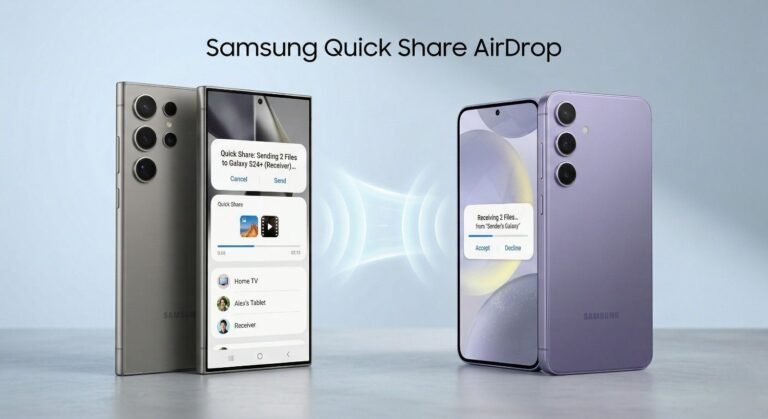
In a move that could significantly improve cross-platform usability, Samsung is expanding its Samsung Quick Share AirDrop functionality to older Galaxy smartphones. The update, which initially debuted on newer flagship devices, is now gradually reaching previous-generation models—marking an important step toward bridging the long-standing gap between Android and Apple ecosystems.

The Samsung Quick Share AirDrop feature is designed to allow Galaxy users to share files directly with Apple devices using an AirDrop-like experience. While Android has long had its own sharing solutions, seamless compatibility with Apple’s ecosystem has remained limited. This update aims to change that, at least in part.

However, despite the excitement surrounding the rollout, early reports suggest that the experience is still inconsistent and far from fully polished.

Current image: Samsung Quick Share AirDrop Rolls Out to Older Galaxy Devices

Samsung Quick Share AirDrop Compatibility: Which Devices Are Getting It?

The Samsung Quick Share AirDrop rollout is currently being spotted on several high-end Galaxy devices from recent years. These include the Samsung Galaxy S22, Samsung Galaxy S23, Samsung Galaxy S24, Samsung Galaxy S25, and the foldable Samsung Galaxy Z Fold 7.

Importantly, the feature appears to be tied to devices running the One UI 8.5 beta, suggesting that this is still part of a testing phase rather than a stable public rollout. Users who have installed the latest system updates, along with updated versions of Quick Share and Google Play services, are more likely to see the new option appear.

Even then, availability is inconsistent. Some users report seeing a new sharing option specifically for Apple devices, while others do not have access at all—highlighting the phased nature of the deployment.

A Long-Awaited Bridge Between Android and Apple

The introduction of Samsung Quick Share AirDrop support represents a notable shift in how Android manufacturers are approaching interoperability. For years, Apple’s AirDrop has been one of the most convenient features within its ecosystem, allowing effortless file transfers between iPhones, iPads, and Macs.

Android users, on the other hand, have relied on alternatives like Quick Share and other wireless transfer tools, which work well within the Android ecosystem but fall short when interacting with Apple devices.

By enabling Samsung Quick Share AirDrop functionality, Samsung is effectively reducing friction for users who operate in mixed-device environments. This is particularly relevant in markets where consumers frequently use both Android and Apple products, whether for personal or professional purposes.

Early Performance Issues Highlight an Incomplete Rollout

Despite its potential, the current implementation of Samsung Quick Share AirDrop is not without problems. Early adopters report that the feature often fails to function as intended.

In many cases, nearby Apple devices do not appear in the sharing interface, and Samsung devices are not detected within Apple’s AirDrop menu. This lack of reliability undermines the core purpose of the feature, which is to provide a seamless and intuitive file-sharing experience.

The inconsistency suggests that the rollout is being controlled through a combination of software updates and server-side activation. Users may need to update multiple components—including system firmware and Google services—before the feature becomes visible, and even then, functionality is not guaranteed.

This staged approach indicates that Samsung is still refining the feature before a broader release.

Samsung’s Strategy in a Changing Ecosystem Landscape

The expansion of Samsung Quick Share AirDrop aligns with a broader industry trend toward improved cross-platform compatibility. As consumers increasingly use multiple devices across different ecosystems, the demand for seamless interaction has grown.

Interestingly, Google has already taken steps in this direction with its Pixel devices, introducing enhanced file-sharing capabilities that aim to rival AirDrop. Samsung’s move can be seen as a response to this shift, ensuring that Galaxy devices remain competitive in terms of usability and convenience.

At the same time, Apple continues to maintain tight control over its ecosystem, prioritizing integration within its own product lineup. While Samsung’s approach does not fully replicate the native AirDrop experience, it represents a meaningful step toward greater openness.

Why This Feature Matters More Than Specs

In an era where smartphone hardware improvements are becoming incremental, features like Samsung Quick Share AirDrop carry significant weight. They address real-world usability challenges rather than focusing solely on specifications.

For many users, the ability to quickly and reliably transfer files between devices can be more valuable than marginal gains in processing power or camera performance. Whether sharing documents, photos, or videos, a seamless experience saves time and reduces frustration.

This makes cross-platform sharing one of the most impactful quality-of-life improvements in recent years, particularly for users who frequently switch between Android and Apple devices.

What Users Should Expect Next

As the Samsung Quick Share AirDrop rollout continues, it is likely that the company will address current limitations through software updates. Stability, device detection, and transfer reliability will be key areas of focus before the feature reaches a wider audience.

Users with compatible devices are encouraged to keep their software up to date and monitor future updates. However, those who rely heavily on cross-platform file sharing may want to wait until the feature is fully stable before depending on it in critical scenarios.

Final Thoughts

The expansion of Samsung Quick Share AirDrop to older Galaxy devices is a promising development that highlights the evolving priorities of the smartphone industry. By focusing on interoperability and user experience, Samsung is addressing one of the most persistent challenges in mobile computing.

While the current rollout is uneven and still in its early stages, the long-term implications are significant. If fully realized, this feature could redefine how users interact across ecosystems, making device boundaries less restrictive.

For now, the Samsung Quick Share AirDrop feature stands as a work in progress—but one with the potential to become a defining capability for Galaxy devices in the years ahead.

Samsung Budget Phones – Small Changes That Make a Big Difference

0

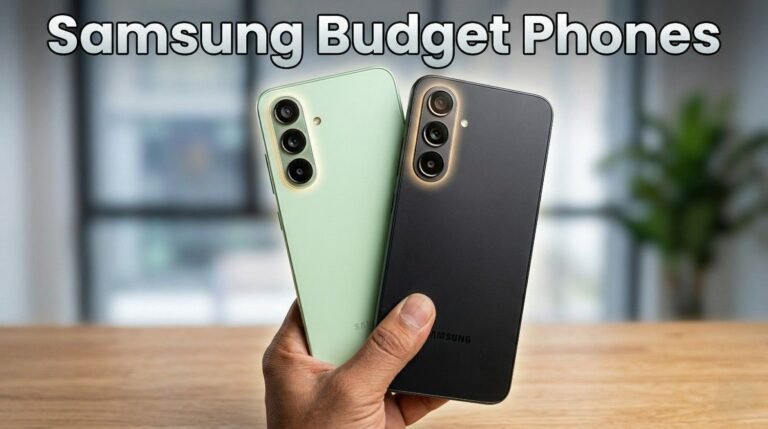
Affordable smartphones have always been about compromise, but the Samsung budget phones 2026 lineup shows that even small refinements can significantly improve the user experience. With the launch of the Samsung Galaxy A57 and Samsung Galaxy A37, Samsung is taking a more nuanced approach—focusing not just on specifications, but on eliminating everyday frustrations that have long defined budget Android devices.

At first glance, these new Galaxy A-series phones may look like incremental upgrades over their predecessors. The design language remains familiar, the hardware changes are modest, and the overall positioning stays firmly in the mid-range category. But beneath the surface, Samsung appears to be addressing a critical issue that many users—and reviewers—have quietly complained about for years.

The current image has no alternative text. The file name is: Samsung-Budget-Phones-Small-Changes-That-Make-a-Big-Difference.jpg

A Subtle Yet Important Shift in User Experience

The Samsung budget phones 2026 strategy is not about dramatic innovation. Instead, it is about refinement. One of the most noticeable improvements in the new Galaxy A57 and A37 is the way the camera handles zoom transitions.

Traditionally, budget smartphones have struggled with smooth lens switching. Moving between the main sensor, ultra-wide lens, or macro mode often resulted in a noticeable delay or stutter. The experience felt disjointed, breaking immersion and making it harder to capture the perfect shot.

With the latest Galaxy A-series devices, Samsung has introduced a more seamless zoom mechanism. Transitions between lenses now feel fluid, mimicking the behavior typically associated with flagship devices. The shift may seem minor on paper, but in real-world usage, it dramatically improves the overall camera experience.

Why This “Small Fix” Actually Matters

To understand the significance of this change, it’s important to look at how people use smartphone cameras today. Photography is no longer a secondary feature—it is central to the smartphone experience.

When users frame a shot, especially in dynamic scenarios like street photography or capturing moving subjects, timing is everything. A delay of even a second can mean the difference between getting the shot and missing it entirely.

In older budget devices, switching lenses often caused:

  • Brief freezing of the camera app
  • Sudden jumps in framing
  • Inconsistent positioning due to lens alignment differences

These issues created friction, particularly for users who rely on their phones for quick, spontaneous photography. By smoothing out this process, Samsung is effectively removing one of the most frustrating pain points in the budget segment.

Samsung Budget Phones 2026 Focus on Polish Over Power

The broader takeaway from the Samsung budget phones 2026 lineup is that the company is shifting its priorities. Instead of chasing raw performance gains or adding more sensors, Samsung is focusing on polish.

This approach reflects a deeper understanding of what budget users actually need. While high-end features like telephoto lenses or advanced computational photography remain out of reach for this segment, improving usability can deliver a more meaningful upgrade.

The Galaxy A57 and A37 still lack the hardware capabilities of flagship devices like the Galaxy S series. They do not aim to compete with premium camera systems or cutting-edge processing power. However, by reducing software quirks and improving responsiveness, they offer a more consistent and enjoyable experience.

The Persistent Challenges of Budget Smartphones

Despite these improvements, the limitations of budget smartphones remain evident. Devices in this category are often defined by trade-offs, and the new Galaxy A-series is no exception.

Camera systems, while improved in usability, still lack versatility compared to flagship models. The absence of telephoto lenses and advanced shooting modes limits creative possibilities. Similarly, processing power, display quality, and build materials continue to reflect the constraints of the price segment.

However, what often frustrates users the most is not the absence of premium features, but the presence of small annoyances. Laggy interfaces, inconsistent performance, and unrefined software experiences can make even a well-specced device feel subpar.

This is where Samsung’s latest approach stands out. By addressing these “death by a thousand cuts” issues, the company is redefining what users can expect from affordable smartphones.

A Competitive Edge in a Crowded Market

The budget smartphone market in 2026 is more competitive than ever. Brands like Xiaomi, Realme, and OnePlus continue to push aggressive specifications at lower price points.

In this environment, differentiation is becoming increasingly difficult. Simply offering more megapixels or a slightly faster processor is no longer enough to stand out.

Samsung’s decision to focus on user experience could provide a subtle but meaningful advantage. While competitors chase spec-sheet dominance, Samsung is investing in the kind of refinements that users notice every day.

The Bigger Picture: Redefining Budget Expectations

The Samsung budget phones 2026 lineup signals a broader shift in how the industry approaches affordable devices. As hardware improvements become incremental, software optimization and user experience are emerging as key differentiators.

Consumers are becoming more discerning, expecting not just value for money but also reliability and polish. A smooth, frustration-free experience can often outweigh the appeal of higher specifications on paper.

This shift also reflects changing usage patterns. Smartphones are no longer just communication tools; they are primary devices for content creation, entertainment, and productivity. As such, even budget devices must meet higher standards.

Final Thoughts

The Galaxy A57 and A37 may not revolutionize the budget smartphone segment, but they represent an important step forward. By addressing small yet impactful issues like stuttery camera zoom, Samsung is improving the everyday experience in ways that matter.

The Samsung budget phones 2026 strategy is a reminder that innovation is not always about adding more—it can also be about refining what already exists. For users, this means fewer frustrations and a more seamless interaction with their devices.

In a market where every brand is fighting for attention, these subtle improvements could make a significant difference. And for anyone considering a budget Android phone in 2026, that might be exactly what sets Samsung apart.

Galaxy S26 Ultra AI Photo Editing Goes Next-Level

0

The Galaxy S26 Ultra AI photo editing experience marks a major shift in how smartphones handle photography, pushing beyond simple enhancements into full creative transformation. With its latest flagship, Samsung is doubling down on generative AI, introducing tools that let users modify images using natural language—no technical skills required.

From restoring partially eaten food to transforming daylight shots into cinematic night scenes, the Galaxy S26 Ultra AI photo editing system signals a new era where smartphones don’t just capture reality—they can recreate it.

Current image: Galaxy S26 Ultra AI Photo Editing Goes Next-Level

Galaxy S26 Ultra AI Photo Editing: What’s New?

At the core of the Galaxy S26 Ultra AI photo editing suite are two major features: Photo Assist and Creative Studio. These tools combine computational photography with generative AI to deliver a deeply interactive editing experience.

Key capabilities include:

  • Editing images using simple text prompts
  • Restoring missing or altered objects in photos
  • Changing lighting conditions and time of day
  • Merging multiple scenes into one seamless frame
  • Creating stylized artwork from real photos

Unlike traditional editing apps, the system is designed to feel conversational—users simply describe what they want, and the AI executes it.

Photo Assist: Editing Images With Words

The standout feature of the Galaxy S26 Ultra AI photo editing system is Photo Assist, which allows users to manipulate images through natural language.

For example:

  • Typing “make it look uneaten” can restore a partially eaten meal
  • Asking for a “sunset vibe” transforms lighting and sky tones
  • Combining elements from multiple shots creates entirely new compositions

This approach removes the complexity of manual editing tools like layers, masks, and selection brushes. Instead, the AI interprets intent and delivers results in seconds.

Why this matters:

  • Makes advanced editing accessible to everyday users
  • Speeds up content creation for social media
  • Reduces reliance on third-party apps

In many ways, Photo Assist represents the evolution of smartphone photography from capture to creation.

Creative Studio: Turning Photos Into Art

Beyond functional edits, the Galaxy S26 Ultra AI photo editing suite also focuses on creativity through Creative Studio.

This feature allows users to:

  • Convert photos into artistic styles like oil paintings
  • Generate custom stickers from images
  • Apply themed visual effects based on mood or context

For instance, a travel photo can be transformed into a painterly composition, while a casual snapshot can become a shareable sticker pack.

This positions Samsung not just as a camera innovator, but as a platform for visual storytelling.

On-Device AI Processing: Faster and More Private

One of the most important aspects of the Galaxy S26 Ultra AI photo editing system is that it runs entirely on-device.

Powered by advanced chipsets, the phone processes edits locally rather than relying on cloud servers.

Benefits of on-device processing:

  • Faster editing speeds
  • No need for internet connectivity
  • Enhanced privacy and data security

This approach aligns with broader industry trends, where companies are prioritizing edge AI to improve performance and user trust.

Competing With Google and Apple

The Galaxy S26 Ultra AI photo editing capabilities place Samsung in direct competition with both Google and Apple.

How Samsung compares:

Vs Google (Pixel Magic Editor):

  • Samsung offers more creative freedom
  • Google focuses on realistic enhancements

Vs Apple (Clean Up tool):

  • Samsung provides deeper AI manipulation
  • Apple emphasizes simplicity and subtle edits

This highlights a key difference in strategy: Samsung is pushing boundaries, while competitors focus on refinement.

The Rise of Generative AI in Smartphone Cameras

The Galaxy S26 Ultra AI photo editing system reflects a broader shift toward generative AI in mobile photography.

Instead of just improving existing images, AI can now:

  • Add or remove objects
  • Reconstruct missing details
  • Generate entirely new visual elements

This blurs the line between photography and digital art, raising important questions about authenticity.

The Authenticity Debate: What Is a “Real” Photo?

As Galaxy S26 Ultra AI photo editing becomes more powerful, concerns about image authenticity are growing.

When users can:

  • Change the time of day
  • Restore altered objects
  • Merge different scenes

…it becomes harder to distinguish between a genuine photograph and an AI-generated creation.

Some companies are exploring solutions such as:

  • Metadata tagging for edited images
  • Watermarking AI-generated content

However, industry standards are still evolving.

Why Samsung Is Betting Big on AI

The focus on Galaxy S26 Ultra AI photo editing is part of Samsung’s broader strategy to differentiate its devices through software rather than hardware alone.

With smartphone innovation slowing in areas like:

  • Camera sensors
  • Battery technology
  • Display improvements

AI has become the new battleground.

Samsung’s AI strategy includes:

  • Photo editing and generative tools
  • Real-time translation features
  • Productivity enhancements

By integrating AI deeply into the user experience, Samsung aims to create a more compelling ecosystem.

Will Users Actually Use These Features?

While the Galaxy S26 Ultra AI photo editing tools are impressive, their real-world adoption remains an open question.

Likely early adopters:

  • Content creators and influencers
  • Social media enthusiasts
  • Tech-savvy users

Potential challenges:

  • Over-editing leading to unnatural images
  • Learning curve for casual users
  • Concerns about authenticity

The success of these features will depend on how seamlessly they integrate into everyday workflows.

The Future of Smartphone Photography

The Galaxy S26 Ultra AI photo editing system offers a glimpse into the future of mobile imaging.

What to expect next:

  • More intuitive AI interfaces
  • Greater personalization in editing tools
  • Deeper integration with social platforms

As AI continues to evolve, smartphones may become less about capturing reality and more about shaping it.

Final Thoughts

The Galaxy S26 Ultra AI photo editing experience represents a significant leap forward in smartphone capabilities. By combining generative AI with intuitive controls, Samsung is redefining what users can do with their photos.

While questions around authenticity and usability remain, one thing is clear: AI-driven creativity is becoming a core part of the smartphone experience.

And as competition intensifies across the industry, innovations like these could play a crucial role in shaping the next generation of mobile devices.

Samsung Galaxy S22 Lawsuit Forces Compensation Over Performance Throttling Controversy

0

The Samsung Galaxy S22 lawsuit has finally reached a decisive conclusion, marking a significant moment in smartphone consumer rights and manufacturer accountability. A South Korean court has ruled against Samsung, ordering the company to compensate thousands of Galaxy S22 users over undisclosed performance limitations tied to its software.

This ruling stems from a long-running dispute involving nearly 2,000 consumers who alleged that Samsung misrepresented the real-world performance of its 2022 flagship lineup, including the Samsung Galaxy S22 series.

Current image: Samsung Galaxy S22 Lawsuit Forces Compensation Over Performance Throttling Controversy

What Triggered the Samsung Galaxy S22 Lawsuit?

At the core of the Samsung Galaxy S22 lawsuit is the controversial Game Optimizing Service (GOS)—a system-level feature embedded within the device’s firmware.

Originally designed to manage thermals and prevent overheating, GOS dynamically reduced GPU performance and display resolution during intensive tasks like gaming. While this approach helped maintain device stability, it came with a major trade-off: significantly reduced performance in real-world scenarios.

Key allegations from users included:

  • Lack of transparency about performance throttling
  • No option to disable the feature at launch
  • Discrepancy between benchmark scores and actual usage
  • Misleading marketing around flagship-level performance

Consumers argued that they purchased a premium device expecting full hardware capabilities, only to discover that performance was artificially limited under load.

How the Game Optimizing Service (GOS) Worked

The controversy surrounding GOS lies in how it operated behind the scenes. Unlike typical performance management systems, GOS applied restrictions selectively.

Here’s what made it problematic:

  • Automatic throttling: GPU clock speeds were reduced during demanding apps
  • Resolution scaling: Visual output was lowered to reduce strain
  • Benchmark exceptions: Popular benchmarking apps were not throttled

This last point became a critical issue. Devices appeared to perform exceptionally well in synthetic benchmarks but delivered inconsistent results in real-world usage—especially during gaming sessions.

For many users and analysts, this raised concerns about fairness and transparency, leading to widespread criticism across tech communities.

Court Ruling: Samsung Held Accountable

After extensive legal proceedings, the court sided with consumers, acknowledging that Samsung failed to adequately inform buyers about the device’s performance limitations.

The ruling applies specifically to 1,882 plaintiffs who participated in the class-action case in South Korea. While compensation amounts have not been publicly disclosed in full, reports suggest that claims initially sought around 300,000 won (roughly $200) per user.

More importantly, the verdict establishes a legal precedent: smartphone manufacturers must clearly disclose any software mechanisms that significantly impact performance.

Samsung’s Response and Software Fixes

Facing mounting backlash, Samsung had already taken steps to address the issue before the final ruling.

A subsequent software update introduced:

  • A dedicated performance control setting
  • User choice between optimized and maximum performance modes
  • Improved transparency around thermal management

This allowed users to decide whether to prioritize performance or device longevity. However, the court determined that these changes came too late for early buyers, who had already experienced the limitations without prior knowledge.

Why This Matters for the Smartphone Industry

The Samsung Galaxy S22 lawsuit goes beyond a single device controversy—it highlights broader issues within the smartphone industry.

Key implications include:

1. Transparency Is No Longer Optional

Manufacturers must clearly communicate how software impacts hardware performance. Hidden optimizations can no longer be justified under the guise of user experience.

2. Benchmark Integrity Under Scrutiny

The discrepancy between benchmark scores and real-world performance has raised serious questions about how devices are tested and marketed.

3. Consumer Trust at Stake

Flagship smartphones command premium prices. Any gap between expectation and reality can significantly damage brand reputation.

How It Compares to Other Flagship Controversies

While Samsung is not the first company to face criticism over performance management, this case stands out due to its legal outcome.

Devices from competitors like Apple have previously faced scrutiny over battery-related performance throttling. However, legal consequences have varied by region and case specifics.

The Galaxy S22 situation differs because:

  • Throttling was tied to performance optimization rather than battery health
  • Users had no control initially
  • Benchmark manipulation concerns were more pronounced

Should Galaxy Users Be Concerned Today?

For current Samsung users, the situation has largely been resolved through software updates. Newer Galaxy devices now offer greater transparency and user control over performance settings.

However, the case serves as a reminder to:

  • Check software features that affect performance
  • Read real-world reviews beyond benchmarks
  • Stay updated with manufacturer patches

For Samsung, rebuilding trust will require continued transparency and consistent communication.

A Turning Point for Android Flagships?

The Samsung Galaxy S22 lawsuit may ultimately reshape how Android OEMs approach performance management.

With increasing reliance on AI, thermal optimization, and power efficiency, software will continue to play a critical role in smartphone performance. But as this case shows, the balance between optimization and user control must be handled carefully.

For consumers, this ruling is a win—reinforcing the idea that premium pricing must come with full disclosure and honest performance.