
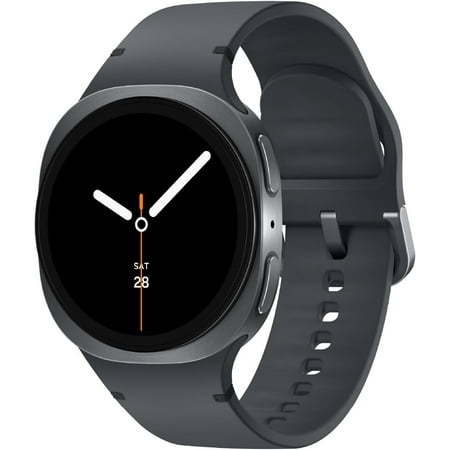
A smartwatch with GPS has become one of the most practical technology investments you can make — whether you’re tracking a morning run, monitoring a child’s location after school, or navigating unfamiliar trails without pulling out your phone every five minutes. The problem isn’t finding one. It’s finding the right one.
The market spans everything from sub-$70 budget options to near-$400 specialist sports watches, and the GPS quality across that range varies enormously. Some watches use dual-frequency satellite systems that maintain tight accuracy in dense urban corridors and under tree cover. Others use basic single-band chips that drift the moment conditions get complex. Then there’s the software side — health platforms, companion apps, coaching tools, and long-term update support — which determines how useful that GPS data actually becomes.
This guide covers ten well-selected options across every meaningful category: fitness, lifestyle, kids’ safety, budget value, and serious athletic performance. Each recommendation is based on published specifications, verified user feedback, independent technical analysis, and a clear understanding of what different buyers actually need from a GPS watch.

At a Glance: Best Smartwatch With GPS Options
- 🏆 Best Overall GPS Smartwatch – Samsung Galaxy Watch 8
- 🏃 Best for Serious Runners – COROS PACE 3
- 🌿 Best Lifestyle GPS Watch – Garmin Vívoactive 5
- 💰 Best Budget GPS Smartwatch – CMF by Nothing Watch 3 Pro
- 🧒 Best GPS Smartwatch for Kids – JrTrack 5 by Cosmo
- 📱 Best Mid-Range GPS Smartwatch – Amazfit Active 2
- 🔋 Best GPS Watch for Battery Life – Amazfit Active Max
- 👟 Best Entry-Level GPS Fitness Watch – Amazfit Bip 6
- 💄 Best GPS Smartwatch for Women– Garmin Lily 2 Active
- 🏋️ Best GPS Watch for Daily Fitness – Fitbit Versa 4
How We Evaluated Each Smartwatch With GPS
Choosing the best smartwatch with GPS requires evaluating more than just whether GPS exists on the spec sheet. We assessed each watch across the following criteria:
GPS Chip Quality: We distinguished between connected GPS (phone-dependent), standard single-band L1 GPS, and dual-frequency L1+L5 multi-band GPS — the most accurate consumer-grade positioning available.
Battery Under Active GPS Use: Manufacturer battery claims reflect smartwatch mode, not GPS-active tracking. We focused specifically on how each watch performs during actual workouts and navigation sessions.
Display Quality and Outdoor Readability: A GPS display that washes out in sunlight defeats the purpose. We evaluated AMOLED brightness ratings, MIP readability, and always-on display support.
Software and Health Platform: GPS data is only useful if the surrounding platform — coaching, analytics, third-party sync, and long-term update support — delivers genuine value.
Comfort and Daily Wearability: Weight, case size, strap material, and sensor placement all influence whether you’ll actually keep a watch on your wrist consistently.
Price-to-Value Ratio: We assessed whether each watch’s price reflects what it delivers — not just for launch day, but for two to three years of ownership.
We evaluated based on published technical data, verified user reviews across multiple platforms, independent testing published by sports and tech media, and real-world usage patterns from the wider fitness community.
The 11 Best Smartwatches With GPS
1. Samsung Galaxy Watch 8
Best For: Android users who want a daily smartwatch with reliable GPS, comprehensive health tracking, and AI-assisted fitness coaching.

Specifications:
- Display: AMOLED, 40mm
- Battery Life: All-day (typical use)
- OS Compatibility: Android (Samsung Health app required for full features)
- Health Tracking: Heart rate, sleep coaching, snore detection, energy score, running coach
- GPS: Built-in GPS + Bluetooth
- Water Resistance: Yes
- Charging: Wireless
- Weight: Ultra-light build
Reasons to Buy:
- Personalized running coach delivers real-time performance feedback during workouts
- Advanced sleep coaching includes snore detection and environment analysis
- Gemini AI assistant integration for hands-free task management
- Now Bar provides at-a-glance updates without lifting your wrist
- Ultra-thin, lightweight design is genuinely comfortable for full-day wear
- Bright AMOLED display remains legible in direct outdoor sunlight
Real-World Performance
The Galaxy Watch 8’s GPS performs reliably for everyday fitness use — running routes, walking commutes, and cycling sessions all track cleanly. Samsung’s running coach is one of the more practically useful AI features on any smartwatch, offering pace guidance and form feedback rather than just passive data collection. The Energy Score, which factors in sleep quality, stress levels, and recent training load, gives you a genuinely useful daily readiness signal.
Sleep coaching has improved meaningfully over previous Galaxy Watch generations. Snore detection requires your phone to be within two feet, which is worth noting if you charge your devices away from the bed. Battery life covers a full active day without anxiety, though heavy GPS use will require a charge before the next morning. For Android users who want the most complete daily GPS smartwatch experience, the Galaxy Watch 8 is the natural starting point.
Pros:
- Excellent AI-powered running coach and sleep coaching
- Bright AMOLED display is outdoor-friendly
- Gemini AI integration adds genuine daily utility
- Lightweight, comfortable cushion-edge design
- Comprehensive health platform with strong Samsung Health ecosystem
Cons:
- Full feature set requires Samsung phone for best experience
- Battery life under heavy GPS use is shorter than sports-focused alternatives
- International version lacks some region-specific features
- Snore detection requires phone proximity — limits placement flexibility
2. COROS PACE 3 GPS Sport Watch
Best For: Dedicated runners, cyclists, and endurance athletes who need dual-frequency GPS accuracy and class-leading GPS battery life in an ultra-light package.

Specifications:
- Display: 1.2-inch Transflective Touchscreen (Always-On capable)
- Battery Life: 24 days daily use / 38 hours continuous GPS
- OS Compatibility: iOS and Android
- Health Tracking: Heart rate, sleep tracking, recovery monitoring
- GPS: Dual-frequency GPS (L1+L5), GLONASS, GALILEO, BeiDou
- Water Resistance: 5 ATM
- Charging: Magnetic USB
- Weight: 30g (nylon band)
Reasons to Buy:
- Dual-frequency GPS maintains accuracy in high-rise urban environments and forest trails
- 38-hour GPS battery handles Ironman, ultra-marathon, and multi-stage race distances
- Featherweight 30g design is virtually unnoticeable during long training efforts
- Breadcrumb navigation with custom route syncing from COROS app
- Records air pressure and elevation gain via built-in barometric sensor
- 3GB onboard storage for maps and data
Real-World Performance
The PACE 3’s dual-frequency GPS consistently produces tighter, more accurate route traces compared to single-band alternatives — particularly in urban corridors where signal bounce causes drift. Elevation data benefits from the barometric sensor, which corrects the altitude drift that pure GPS measurement suffers from during hilly routes. The always-on transflective display is genuinely readable in bright sunlight, which is where this watch spends most of its time.
The experience is deliberately sport-first. Notification handling is functional rather than sophisticated, and the app ecosystem doesn’t compare to Wear OS or Apple Watch. But for the athlete who cares about split times, training load, and GPS fidelity over everything else, the PACE 3 delivers without compromise — and at $199, it represents exceptional value against far more expensive Garmin alternatives.
Pros:
- 38-hour GPS battery is best-in-class at this price
- Dual-frequency GPS accuracy in complex environments
- Featherweight design for comfortable long-duration wear
- Barometric altimeter improves elevation data quality
- Custom route navigation synced from COROS app
Cons:
- Transflective display lacks the visual appeal of AMOLED
- Smartwatch features are minimal by lifestyle standards
- No music storage or NFC payments
- COROS platform has less breadth than Garmin Connect for multi-sport analysis
3. Garmin Vívoactive 5
Best For: Users who want a well-rounded smartwatch with GPS, long battery life, and Garmin’s trusted health ecosystem without the bulk of a dedicated sports watch.

Specifications:
- Display: 1.2-inch AMOLED, 390 x 390
- Battery Life: Up to 11 days / 19 hours GPS mode
- OS Compatibility: iOS and Android
- Health Tracking: Heart rate, SpO2, sleep score, HRV status, stress, Body Battery, menstrual and pregnancy tracking, hydration
- GPS: Built-in GPS/GLONASS/GALILEO
- Water Resistance: 5 ATM
- Charging: USB-C
- Weight: 33g
Reasons to Buy:
- Body Battery energy monitoring helps you understand when to push and when to rest
- Automatic nap detection is a genuinely thoughtful feature for shift workers and travelers
- 30+ built-in sports apps including swimming, golf, cycling, and HIIT
- Spotify, Amazon Music, and Deezer streaming via connected headphones
- Wheelchair mode with push tracking — an inclusive feature rarely found at this price
- Garmin Coach free adaptive training plans available through Garmin Connect
Real-World Performance
The Vívoactive 5 performs exactly as the gap-filler between Garmin’s sports watches and lifestyle-focused competitors. GPS lock is quick and tracking is consistent across standard fitness activities — running, walking, cycling, and swimming all produce clean data. The AMOLED display is noticeably better than what Garmin offered before; it’s bright, responsive, and makes glancing at pace or heart rate during a workout genuinely easy.
Battery life of 11 days is realistic under mixed use. If you enable GPS workouts daily, expect that to reduce toward the lower end, but a week between charges is consistently achievable. The Body Battery metric — which synthesizes sleep quality, stress, and HRV data — gives you a practical daily readiness indication. Garmin Connect remains one of the best long-term fitness data platforms available, and owning a Vívoactive 5 gives you full access to it.
Pros:
- 11-day battery life with AMOLED display is impressive
- Garmin Connect ecosystem is deep and genuinely useful
- Body Battery and HRV status are practical daily metrics
- Lightweight and comfortable for all-day wear
- Music streaming via Spotify, Amazon Music, and Deezer
- USB-C charging is convenient
Cons:
- GPS is single-band (not multi-frequency) — less accurate in complex environments
- Third-party app ecosystem is limited vs Wear OS
- Garmin Pay availability varies by region
- 19-hour GPS battery won’t cover ultra-distance events
4. CMF by Nothing Watch 3 Pro
Best For: Budget-conscious buyers who refuse to compromise on GPS accuracy — the L1+L5 dual-band chip at under $70 is genuinely remarkable.

Specifications:
- Display: 1.43-inch AMOLED
- Battery Life: Up to 13 days
- OS Compatibility: Android 6.0 or iOS 13+
- Health Tracking: 24/7 heart rate, SpO2, stress, sleep tracking, women’s health, hydration reminders
- GPS: L1+L5 Dual-Band GPS (ultra-accurate)
- Water Resistance: IP68
- Charging: Magnetic
- Weight: Lightweight
Reasons to Buy:
- L1+L5 dual-band GPS at sub-$70 pricing is virtually unmatched in the market
- GOMORE-powered fitness analysis provides training load and recovery time tracking
- AI noise reduction for Bluetooth calls improves call clarity meaningfully
- Gesture control enables one-handed operation for calls and music
- Syncs with Apple Health, Google Fit, and Strava
- 130+ sport modes with 7-type automatic activity recognition
Real-World Performance
The CMF Watch 3 Pro headline feature — dual-band GPS at this price — holds up under scrutiny. GPS tracking produces noticeably tighter route lines compared to single-band budget competitors, particularly in urban environments where signal multipath is common. The 1.43-inch AMOLED display is vibrant and clear, with always-on display support backed by 150 AOD watch face options.
GOMORE-powered analysis adds genuine depth to fitness data — aerobic and anaerobic performance metrics, training load calculation, and recovery time estimates go well beyond what you’d expect at this price. Bluetooth call quality is improved by AI noise reduction, though it’s not a replacement for your phone in professional settings. The IP68 rating covers sweat and water splashes, though it’s not suitable for swimming. For anyone who wants a capable smartwatch with GPS and isn’t willing to spend over $100, the Watch 3 Pro is the clear recommendation.
Pros:
- L1+L5 dual-band GPS at an extraordinary price point
- 13-day battery life is strong for an AMOLED display
- GOMORE training analysis is surprisingly sophisticated
- AI noise reduction improves Bluetooth call quality
- Strava, Apple Health, and Google Fit sync
- Gesture control adds practical daily convenience
Cons:
- IP68 (not swim-proof — splash/sweat resistant only)
- 256MB storage is limited
- Nothing X app ecosystem is developing, not yet mature
- Not suitable as a primary calling device
- Build quality reflects the budget price point
5. JrTrack 5 Kids Smart Watch by Cosmo
Best For: Parents of children aged 6 and older who want real-time GPS location tracking, safe calling and texting, and comprehensive parental controls in a purpose-built kids’ device.

Specifications:
- Display: 1.4-inch touchscreen
- Battery Life: Standard daily use (680mAh)
- OS Compatibility: Cosmo OS (parent app on iOS and Android)
- Health Tracking: Activity tracking
- GPS: HaloGPS real-time tracking (cellular + GPS)
- Water Resistance: Standard
- Charging: USB
- Storage: 8GB
Reasons to Buy:
- HaloGPS delivers fast, accurate real-time location tracking
- Parent-approved contacts only — no spam calls, no internet access, no social media exposure
- True Texting supports text, pictures, audio, and short video messages with approved contacts
- SafeZone alerts notify parents when children enter or leave defined locations
- SOS button for emergency situations
- Spotify integration for kid-safe music access
- Parental controls allow time limits and app management as children grow
Real-World Performance
The JrTrack 5 GPS performance is the primary reason parents choose it. HaloGPS combines cellular triangulation with GPS satellite data to deliver location updates that are reliably fast and accurate — significantly better than passive GPS watches that rely on periodic location pings. SafeZone notifications, which alert parents when a child arrives at school or leaves a defined area, work consistently based on reported user experience.
The parent-approved contact system is properly locked down. Children cannot receive calls from unapproved numbers, and there’s no browser access or social media pathway. This isn’t just a software setting that can be worked around — it’s a structural design choice. True Texting allows meaningful family communication including voice messages and photos without exposing children to external platforms. The required Cosmo cellular plan (starting at $9.99/month equivalent on prepaid plans) is an ongoing cost to factor into the total ownership calculation — but for parents who want genuine GPS safety tracking, it’s a reasonable operational cost.
Pros:
- HaloGPS is fast and genuinely accurate for real-time tracking
- Parent-approved contacts provide real security, not just filters
- SafeZone alerts work reliably for school arrival/departure monitoring
- SOS emergency calling is a meaningful safety feature
- Spotify access keeps kids engaged without internet exposure
- 8GB storage is generous for a kids’ device
Cons:
- Requires Cosmo cellular plan — not compatible with other carriers
- GPS tracking depends on cellular coverage quality in your area
- Not a fitness watch — activity tracking is basic
- Ongoing monthly plan cost adds to total ownership expense
- Only ships within US, Canada, and Mexico coverage areas
6. Amazfit Active 2
Best For: Mid-range buyers who want a stylish, premium-feeling smartwatch with GPS, 5-satellite positioning, and 10-day battery life without crossing into premium pricing territory.

Specifications:
- Display: 1.32-inch AMOLED
- Battery Life: Up to 10 days
- OS Compatibility: iOS and Android (Zepp app)
- Health Tracking: BioTracker heart rate, sleep staging, SpO2, stress
- GPS: Built-in GPS, 5-satellite system (GLONASS, GALILEO, BeiDou, QZSS)
- Water Resistance: 5 ATM (50m swim-proof)
- Charging: Magnetic
- Weight: Not specified (stainless steel build)
Reasons to Buy:
- Sapphire glass lens provides meaningful scratch and impact resistance
- Free downloadable maps with turn-by-turn guidance — no subscription
- 5-satellite positioning system for reliable global coverage
- Ski maps including cable car and slope guidance is a genuine differentiator
- 160+ sport modes including HYROX Race for competitive gym training
- Barometer included for elevation tracking during hiking and skiing
- No mandatory subscription fees for health data — all in Zepp app free
Real-World Performance
The Amazfit Active 2 GPS performs reliably across standard fitness activities. Five-satellite support provides good redundancy in varied environments, and free offline map downloads mean you’re not dependent on a data connection during hikes or ski runs. The ski mapping feature — including resort-specific cable car and slope guidance — is the kind of niche feature that genuinely surprises when you need it.
BioTracker heart rate monitoring is accurate for steady-state activities and produces clean sleep staging data overnight. The 10-day battery holds up in real use — daily GPS workouts will push you toward the lower end, but a week between charges is consistently achievable. The Zepp OS platform has improved considerably, and the no-subscription model for full health data access is a genuine competitive advantage over Fitbit’s Premium paywall approach.
Pros:
- Sapphire glass provides premium durability at mid-range pricing
- Free offline maps with turn-by-turn — no ongoing subscription
- 5-satellite GPS positioning for global coverage
- Ski maps add real-world value for winter sport users
- No mandatory subscription fees for health tracking
- 50m water resistance is swim-safe
Cons:
- Zepp OS app ecosystem is limited vs Wear OS
- Stainless steel build adds weight vs aluminum alternatives
- 10-day battery drops under heavy GPS use
- Third-party app integrations are fewer than Garmin or Fitbit
- AMOLED brightness may not match top-tier outdoor displays
7. Amazfit Active Max
Best For: Users who prioritize maximum battery endurance alongside GPS capability — the 25-day battery and 3,000-nit display make it genuinely useful for extended adventures and travel.

Specifications:
- Display: 1.5-inch AMOLED, 3,000-nit peak brightness
- Battery Life: Up to 25 days
- OS Compatibility: iOS and Android (Zepp app)
- Health Tracking: BioCharge energy score, heart rate, sleep, SpO2, stress
- GPS: Built-in GPS, 5-satellite positioning system
- Water Resistance: 5 ATM
- Charging: Magnetic
- Storage: 4GB onboard
Reasons to Buy:
- 25-day battery eliminates charging anxiety for travel and extended outdoor use
- 3,000-nit display is readable in harsh direct sunlight — a genuine outdoor advantage
- 4GB storage accommodates both offline maps and music without compromise
- Zepp Coach provides AI-generated personalized training plans for 3K through full marathon
- BioCharge energy monitoring adjusts based on training load and stress — practical recovery guidance
- Built-in speaker and mic for Bluetooth calling from the trail
- Zepp Flow AI allows hands-free message replies (Android required)
Real-World Performance
The Active Max headline numbers — 25 days and 3,000 nits — hold up as more than marketing. Battery life under mixed use (daily step tracking, notifications, occasional GPS workouts) genuinely extends toward the 25-day mark. With regular GPS tracking sessions, expect 10–15 days of realistic runtime, which still far exceeds most competitors. The 3,000-nit display is the brightest AMOLED on any watch in this price tier, and outdoor readability in direct sunlight is noticeably superior to lower-brightness alternatives.
Offline map storage combined with 5-satellite GPS makes it a credible navigation tool for hiking and trail use without cellular dependency. Zepp Coach’s marathon training plans are well-structured for beginner to intermediate runners. The BioCharge score — which weighs recent workout intensity, sleep quality, and stress — gives you a meaningful daily signal rather than a generic wellness number. For adventurers and travelers who want maximum battery endurance alongside solid GPS, the Active Max earns its place without apology.
Pros:
- 25-day battery is exceptional — even under moderate GPS use
- 3,000-nit display is the best outdoor visibility at this price tier
- 4GB storage handles maps and music simultaneously
- Zepp Coach AI training plans cover 5K through marathon
- Built-in speaker/mic for hands-free Bluetooth calling
- 5 ATM water resistance for swimming
Cons:
- Zepp OS app ecosystem is narrower than Wear OS or Garmin
- No dual-frequency GPS — single-band accuracy has limitations in complex terrain
- Zepp Flow hands-free replies require Android phone connection
- Display size (1.5-inch) may feel large on smaller wrists
- Third-party integration options are limited
8. Amazfit Bip 6
Best For: First-time GPS smartwatch buyers and budget shoppers who want a large AMOLED display, built-in GPS with free maps, and 14-day battery life without crossing the $100 threshold.

Specifications:
- Display: 1.97-inch AMOLED
- Battery Life: Up to 14 days
- OS Compatibility: iOS and Android (Zepp app)
- Health Tracking: Heart rate, SpO2, sleep, stress
- GPS: Built-in GPS, 5-satellite system (L1 band)
- Water Resistance: 5 ATM (50m)
- Charging: Magnetic
- Weight: Lightweight aluminum build
Reasons to Buy:
- 1.97-inch AMOLED is one of the largest displays in the budget GPS category
- Free downloadable maps with turn-by-turn navigation at $79 is remarkable value
- 5-satellite GPS support for reliable positioning across different environments
- 14-day battery means roughly two weeks between charges
- 140+ workout modes covering mainstream and niche sports
- AI coaching features provide basic personalized fitness guidance
- 50m water resistance makes it genuinely swim-safe
Real-World Performance
The Bip 6 GPS is single-band L1, which means accuracy is solid in open environments and noticeably less precise under tree cover or in dense urban canyons. For everyday fitness use — neighborhood runs, park walks, casual cycling — the tracking is entirely sufficient and the route data is useful. The free map download feature adds genuine practical value beyond passive route recording, particularly for hikers and trail walkers.
The 1.97-inch AMOLED is the watch’s most immediately impressive feature. At this price, a display this large and this vibrant is unusual. Brightness is strong enough for outdoor use, though it doesn’t match the 3,000-nit ceiling of the Active Max. Zepp OS remains a developing platform, and advanced training analytics are basic — but for a first GPS smartwatch or a secondary device, the Bip 6 covers the fundamentals effectively.
Pros:
- Largest AMOLED display in the sub-$100 GPS category
- Free maps with turn-by-turn at $79 is genuinely impressive
- 14-day battery life covers two full weeks
- 140+ workout modes including HYROX Race
- 50m water resistance for swimming
- AI coaching adds basic personalized guidance
Cons:
- Single-band GPS loses accuracy in complex environments
- Zepp OS app ecosystem is limited
- Advanced training analytics are basic
- Rectangular design won’t appeal to round watch buyers
- No Bluetooth calling capability
9. Garmin Lily 2 Active
Best For: Women who want a compact, stylish GPS smartwatch that wears like jewelry but delivers Garmin’s full health monitoring platform — without the bulk of a traditional sports watch.

Specifications:
- Display: 1.0-inch touchscreen (hidden patterned lens)
- Battery Life: Up to 9 days
- OS Compatibility: iOS and Android (Garmin Connect)
- Health Tracking: Heart rate, sleep score, respiration, Body Battery, stress, menstrual and pregnancy tracking, hydration tracking, health snapshot
- GPS: Built-in GPS
- Water Resistance: 5 ATM
- Charging: USB (magnetic)
- Weight: Compact metal case
Reasons to Buy:
- Unique patterned lens design looks genuinely stylish — not like a sports device
- Body Battery, HRV monitoring, and menstrual tracking are well-implemented for women’s health
- Up to 9 days battery life on a compact watch is strong
- Built-in GPS covers outdoor activities without phone dependency
- Garmin Connect provides long-term health data storage and trend analysis
- Sports apps include yoga, Pilates, cardio, dance fitness, and golf
- Smart notifications for calls, texts, and calendar reminders
Real-World Performance
The Garmin Lily 2 Active form factor is its most immediate strength. It’s compact enough to wear comfortably with a dress or to a formal event, yet the GPS and health sensors are fully Garmin-spec. GPS tracking performs reliably for walks, jogs, and outdoor workouts. The Body Battery metric, which accounts for sleep quality, stress, and activity, is one of Garmin’s most practically actionable health features.
The 1.0-inch display is on the smaller side — a trade-off for the elegant form factor. Users with larger hands or a preference for detailed data screens may find the display restrictive. The patterned lens means the display is always hidden until touched, which some users find pleasantly discreet and others find occasionally inconvenient. At $249 (with regular discounts visible), it’s priced higher than feature-equivalent alternatives, but the design premium is real and intentional.
Pros:
- Genuinely stylish design that works outside athletic contexts
- Full Garmin health platform including Body Battery and HRV
- 9-day battery life in a compact elegant form factor
- Built-in GPS tracks outdoor activities independently
- Menstrual and pregnancy tracking well-implemented
- 5 ATM water resistance
Cons:
- 1.0-inch display is small — data readability is limited
- Patterned lens can make screen visibility disorienting initially
- Premium pricing for the feature set vs larger alternatives
- GPS accuracy is standard single-band
- Limited third-party app support (Garmin OS ecosystem)
10. Fitbit Versa 4
Best For: Everyday fitness users who want built-in GPS, Google Maps integration, and Fitbit’s approachable wellness platform in a clean, straightforward package.

Specifications:
- Display: 1.58-inch AMOLED, square
- Battery Life: 6+ days
- OS Compatibility: Apple iOS 15+ and Android OS 9+
- Health Tracking: 24/7 heart rate, SpO2, sleep score, sleep stages, stress management score, menstrual health, guided breathing
- GPS: Built-in GPS
- Water Resistance: 5 ATM (50m)
- Charging: Magnetic (proprietary)
- Storage: 4GB
Reasons to Buy:
- Google Wallet and Google Maps integration adds real daily convenience
- Daily Readiness Score helps you understand when to train vs rest
- Active Zone Minutes framework makes cardiovascular fitness goals accessible and clear
- Smart wake alarm gently wakes you during light sleep stages
- On-wrist Bluetooth calls without phone in hand
- Alexa built-in for voice-controlled reminders and smart home control
- 40+ exercise modes with automatic exercise detection
Real-World Performance
The Fitbit Versa 4 GPS is single-band, which is the most honest limitation to acknowledge upfront. For neighborhood runs, park cycling, and casual outdoor workouts, route accuracy is adequate. In dense urban environments or under heavy tree cover, drift is more noticeable compared to multi-band alternatives. If GPS precision is your priority, look higher up this list.
Where the fitbit Versa genuinely excels is in the daily wellness experience. The Sleep Profile provides a monthly analysis of sleep patterns that builds meaningfully over time. The Stress Management Score — combining heart rate variability, sleep quality, and activity data — gives a useful daily signal without overwhelming you with data. Google Wallet integration works reliably for contactless payments, and Google Maps navigation on Android makes it a practical transit companion. The six-day battery covers most users’ weekly routine without mid-week charging. Note that the proprietary charging cable is an ongoing inconvenience — losing it requires a specific replacement.
Pros:
- Google Maps and Google Wallet add genuine daily utility
- Six-day battery suits most weekly schedules
- Daily Readiness Score is a practical fitness guidance feature
- Sleep Profile builds meaningful insights over time
- On-wrist Bluetooth calls reduce phone dependency
- Alexa integration works for smart home and timer use
Cons:
- Single-band GPS drifts in complex environments
- Proprietary charging cable is inconvenient to replace
- Fitbit Premium paywall restricts some advanced health features
- App ecosystem is narrower than Wear OS or Apple Watch
- 6-day battery is modest against longer-lasting competitors
11. POLAR Pacer Pro
Best For: Dedicated runners who want advanced running-specific metrics — running power, barometric altitude, and Polar’s precision heart rate monitoring — alongside reliable GPS tracking.

Specifications:
- Display: 1.2-inch color display
- Battery Life: 7 days watch mode / 35 hours GPS training mode / 100 hours power save
- OS Compatibility: iOS and Android (Polar Flow app)
- Health Tracking: Precision Prime optical heart rate, sleep tracking, Nightly Recharge, HRV
- GPS: GPS enabled, GLONASS/GALILEO/BeiDou
- Water Resistance: 5 ATM (30m)
- Charging: USB-C
- Weight: 41g
Reasons to Buy:
- 35-hour GPS battery covers Ironman and ultra-marathon race distances
- Running power measurement gives pace-independent training intensity data
- Polar Precision Prime optical heart rate monitoring has a strong accuracy reputation
- Nightly Recharge and Sleep Plus Stages are among the more scientifically grounded sleep features in consumer wearables
- 150+ supported sports with highly specialized running metrics (cadence, stride length, ground contact time)
- High-speed processor handles real-time pace, distance, lap, and power calculations without lag
- Polar Flow provides excellent long-term training trend analysis
Real-World Performance
The Pacer Pro running analytics platform is where it earns its position. Running power — which measures effort independently of pace and hill gradient — is a training tool that coaches and performance-focused athletes actively use. Combined with Polar’s cadence and ground contact time data, it gives you a genuinely complete biomechanical picture of your running economy. The 35-hour GPS battery means you plan your race, not your charging schedule.
Polar Flow, while less visually polished than Garmin Connect, provides excellent longitudinal training analysis. Sleep Plus Stages and Nightly Recharge give physiologically grounded recovery insights that go deeper than most wearable wellness features. The Pacer Pro’s limitation is its narrower scope — it’s a running instrument, not a lifestyle smartwatch. Smartwatch features are functional but sparse, music storage isn’t available, and the display’s visual quality doesn’t compare to AMOLED alternatives. At $378, it commands a premium that’s justified for its target athlete — and unnecessary for everyone else.
Pros:
- 35-hour GPS battery for genuine endurance event coverage
- Running power measurement is a serious training tool
- Polar Precision Prime heart rate accuracy is industry-respected
- Nightly Recharge and Sleep Plus Stages are scientifically grounded
- Lightweight 41g for a GPS watch with this feature depth
- USB-C charging
Cons:
- Premium pricing at ~$378
- Lifestyle smartwatch features are sparse
- No music storage
- Polar Flow is less polished than Garmin Connect visually
- Display resolution is lower than AMOLED competitors
- Narrower sport coverage vs Garmin for multi-sport athletes
Key Comparisons: Smartwatch With GPS Categories Explained
AMOLED vs Transflective MIP Display: Which Is Right for You?
The display technology inside a smartwatch with GPS matters more than most buyers initially appreciate — particularly during outdoor use.
AMOLED displays (used by Samsung Galaxy Watch 8, Garmin Vívoactive 5, CMF Watch 3 Pro, all Amazfit models, and Fitbit Versa 4) produce vivid colors, deep blacks, and strong indoor readability. They draw more power, which impacts battery life. For everyday mixed use, an AMOLED display is the better daily experience.
Transflective MIP displays (used by COROS PACE 3) are low-power, always-on, and exceptional in direct sunlight — they actually become more readable as ambient light increases. They look technically inferior indoors, but for athletes training outdoors in bright conditions, the readability advantage is real and meaningful.
The verdict: AMOLED for everyday lifestyle use. Transflective MIP for endurance athletes who train primarily outdoors.
Single-Band GPS vs Dual-Frequency GPS: Does It Actually Matter?
This is the most practically important GPS specification to understand before purchasing.
Single-band L1 GPS works well in open environments — tracks, parks, open roads. In urban canyons (tall buildings), dense forests, or hilly terrain, signal bounce causes route drift. Most watches in this guide use L1 GPS.
Dual-frequency L1+L5 GPS locks onto two satellite frequencies simultaneously, dramatically reducing the impact of signal bounce. Route traces are tighter and more accurate in exactly the conditions where single-band GPS struggles.
Bottom line: For casual fitness tracking in open environments, single-band GPS is sufficient. For urban runners, trail athletes, or anyone who wants maximum route accuracy, dual-frequency GPS justifies the investment — or in the CMF Watch 3 Pro’s case, costs almost nothing extra.
Fitness Watch vs Lifestyle Smartwatch: Choosing Your Priority
The GPS smartwatch market divides clearly into two categories that often get conflated:
Fitness-first watches (COROS PACE 3, Polar Pacer Pro, Amazfit Active Max) prioritize GPS accuracy, battery endurance during workouts, and training analytics depth. They compromise on smartwatch features, app ecosystems, and design aesthetics.
Lifestyle-first smartwatches (Samsung Galaxy Watch 8, Garmin Vívoactive 5, Fitbit Versa 4, CMF Watch 3 Pro) balance fitness tracking with notification management, payments, apps, and everyday wearability. They may compromise on GPS battery life and deep analytics.
Complete Smartwatch With GPS Buying Guide
GPS Accuracy: What the Spec Sheet Doesn’t Tell You
Satellite system support matters beyond GPS itself. Watches that support GLONASS, GALILEO, BeiDou, and QZSS alongside GPS have more satellites to lock onto — improving speed and reliability in varied global environments. Most watches in this guide support multi-GNSS, even at budget prices.
What separates truly accurate tracking is the frequency band. L1 single-band covers most use cases. L1+L5 dual-frequency handles urban environments, forest canopies, and complex terrain — conditions that reveal the limitations of single-band positioning.
Health Sensors Worth Understanding
Not all health features deliver equal practical value:
- Heart Rate Monitoring: Standard on all smartwatches. Accuracy varies — optical HR is reliable for steady-state cardio but can lag during rapid intensity changes.
- SpO2 (Blood Oxygen): Useful as a wellness trend indicator, particularly for altitude awareness and sleep quality signals. Not a medical measurement.
- HRV (Heart Rate Variability): A legitimate recovery metric. Better implemented by Garmin (Body Battery) and Polar (Nightly Recharge) than most budget alternatives.
- Sleep Tracking: Ranges from basic duration measurement to sophisticated sleep staging with Fitbit’s Sleep Profile and Polar’s Sleep Plus Stages at the more scientifically rigorous end.
- Body Battery / BioCharge / Energy Score: Different brand names for broadly similar concepts — synthesizing sleep, stress, and activity data into a daily readiness score. Garmin’s Body Battery and Samsung’s Energy Score are among the more reliable implementations.
Software Ecosystems: Long-Term Value Consideration
The software platform around your GPS watch determines how useful your data actually becomes over time:
- Garmin Connect: The deepest sports analytics platform available. Supports Strava sync, TrainingPeaks integration, Garmin Coach training plans, and excellent longitudinal data visualization. Long-term update support is strong.
- Samsung Health: Rapidly improving. AI coaching features in Galaxy Watch 8 represent a meaningful step forward. Best experience on Samsung phones.
- Polar Flow: Excellent for running-specific analysis. Less polished visually but deep in training science integration.
- Zepp (Amazfit): Functional and improving. No mandatory subscription fees is a genuine advantage. Third-party integration is growing but not yet comprehensive.
- Fitbit Platform: Clean, accessible, and well-suited to wellness-focused users. Fitbit Premium paywall for advanced features is a persistent criticism.
- COROS Platform: Sport-specific and data-dense. Less polished but highly capable for its target athlete.
Durability and Long-Term Ownership
GPS watches are daily-use devices that encounter sweat, rain, gym environments, and occasional knocks. Key durability considerations:
- Water resistance: 5 ATM (50m) means swim-safe for casual pool use. Not suitable for scuba diving.
- Glass type: Sapphire glass provides genuine scratch resistance. Gorilla Glass and standard mineral glass will show wear over time.
- Battery degradation: Lithium batteries typically lose 15–20% capacity after 300–500 charge cycles. Watches with longer battery life between charges cycle less frequently, preserving battery health longer.
- Software support lifespan: Garmin and Polar have strong track records for multi-year update support. Budget brands vary significantly — check community forums for real-world software support history.
Frequently Asked Questions
What is the best smartwatch with GPS for running?
For most runners, the COROS PACE 3 offers the best combination of dual-frequency GPS accuracy, 38-hour GPS battery, and lightweight design at a competitive price. For analytics-focused runners willing to spend more, the Polar Pacer Pro adds running power measurement and barometric altitude data.
Which smartwatch with GPS has the longest battery life?
The Amazfit Active Max claims 25 days in smartwatch mode. For GPS-active tracking specifically, the COROS PACE 3 leads with 38 hours of continuous GPS operation, followed by the Polar Pacer Pro at 35 hours.
Can I use a GPS smartwatch without my phone?
Yes — any watch with built-in GPS operates independently of your phone for location tracking. The JrTrack 5 uses cellular connectivity for real-time tracking. Most fitness watches in this guide track routes, store workout data, and play downloaded music without a phone present.
Is dual-frequency GPS worth paying more for?
In complex environments — urban canyons, forests, hilly terrain — yes meaningfully so. In open environments like tracks and open roads, the practical difference is smaller. The CMF Watch 3 Pro offers L1+L5 dual-band GPS at $69, making the decision easier at budget price points.
Which smartwatch with GPS works best with Android phones?
Samsung Galaxy Watch 8 offers the deepest Android integration, particularly with Samsung phones. Garmin and Amazfit watches work excellently with Android through their respective apps. CMF Watch 3 Pro requires Android 6.0+ for full feature access.
How accurate is GPS on a smartwatch?
Accuracy depends on GPS chip quality and satellite system support. Dual-frequency watches (COROS PACE 3, CMF Watch 3 Pro) provide the highest consumer-grade accuracy. Single-band GPS watches are accurate in open environments and show drift in complex settings. All watches in this guide outperform basic fitness bands that rely on phone-dependent connected GPS.
Are kids’ GPS smartwatches safe?
Purpose-built kids’ GPS watches like the JrTrack 5 are designed with safety as the primary function — parent-approved contacts, no internet access, SOS alerts, and geofence notifications. The ongoing cellular plan cost and carrier lock-in (Cosmo only) are the main practical trade-offs to evaluate.
Is Fitbit Premium worth the subscription?
Fitbit Premium adds advanced health reports, guided programs, and deeper sleep analytics. For casual wellness users, the free tier is sufficient for daily tracking. For users who want longitudinal trend analysis and coaching programs, Premium adds genuine value. The six-month trial included with new Versa 4 purchases is worth using fully before deciding.
Conclusion
The best smartwatch with GPS for you depends on one honest question: what do you actually need GPS to do? For endurance athletes, the COROS PACE 3 dual-frequency accuracy and 38-hour GPS battery are difficult to argue against. For Android users who want a polished daily smartwatch experience, the Samsung Galaxy Watch 8 delivers AI coaching, sleep intelligence, and reliable GPS in a genuinely well-designed package. And for budget buyers who won’t compromise on GPS quality, the CMF by Nothing Watch 3 Pro L1+L5 dual-band chip at $69 redefines what’s possible at that price point.
GPS quality, battery endurance under active use, software platform depth, and long-term update support matter far more than any single headline specification. Every watch in this guide earns its place with genuine strengths — and every recommendation comes with honest limitations that matter for specific buyers. Choose the one that fits your actual usage pattern, not the one with the most impressive number on the spec sheet.