
The smartphone industry may be on the verge of a major transformation as new leaks suggest that Xiaomi is developing a Xiaomi modular camera phone designed to push mobile photography far beyond its current limits. If the reports are accurate, this upcoming flagship could introduce a completely new way of capturing images—one that blends the flexibility of professional cameras with the convenience of smartphones.
Unlike traditional smartphones that rely on fixed camera hardware, this concept revolves around a modular optical system. That means users could potentially attach or swap camera components depending on their needs, similar to how DSLR or mirrorless camera systems operate.
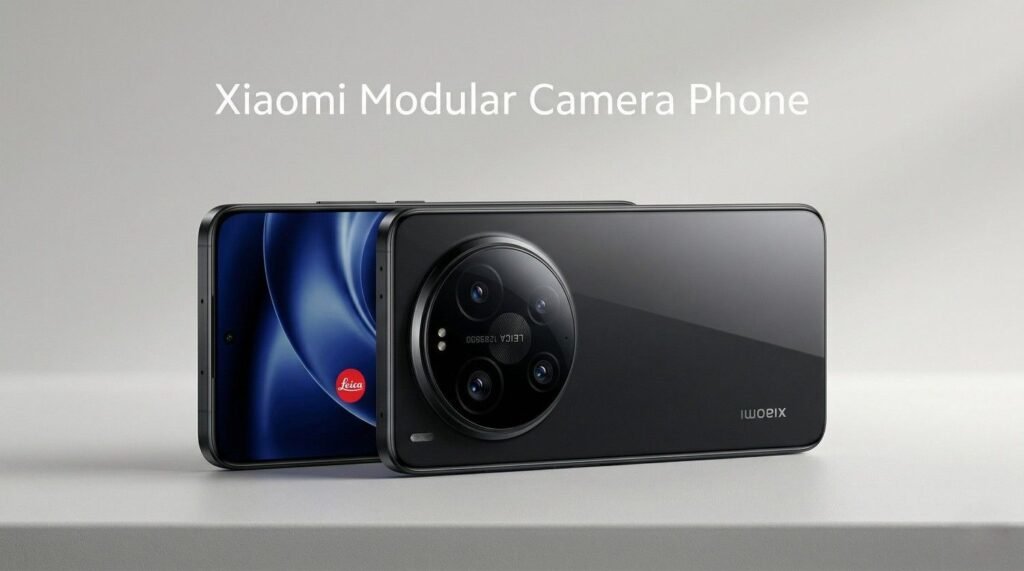
What Makes the Xiaomi Modular Camera Phone Different?
The defining feature of the Xiaomi modular camera phone is its rumored interchangeable camera system. Instead of being limited to built-in lenses, users may be able to customize their photography setup in real time.
Possible Modular Camera Capabilities
- Interchangeable lenses for different shooting scenarios
- Enhanced zoom modules for long-range photography
- Dedicated low-light or portrait modules
- Improved sensor upgrades without changing the entire phone
If implemented successfully, this approach could eliminate one of the biggest compromises in smartphone photography: the inability to adapt hardware to different situations.
For example, users could switch from a wide-angle lens for landscapes to a telephoto module for wildlife shots—something that is currently only possible with dedicated cameras.
Bridging the Gap Between Smartphones and Professional Cameras
The Xiaomi modular camera phone concept signals a broader ambition—to blur the line between smartphones and professional imaging equipment. While brands like Sony and Canon dominate the camera market, Xiaomi appears to be exploring a hybrid approach.
This could appeal to:
- Content creators who want portability without sacrificing quality
- Photography enthusiasts seeking more control
- Professionals looking for a lightweight backup solution
By combining modular hardware with computational photography, Xiaomi could deliver a system that adapts to both casual users and advanced photographers.
Powered by Xiaomi’s In-House Chipset
Another major highlight of the Xiaomi modular camera phone is the expected introduction of a new in-house processor. Reports suggest Xiaomi is working on its own silicon, potentially branded as a next-generation chipset designed to optimize performance and efficiency.
Benefits of Custom Silicon
- Better integration between hardware and software
- Improved AI processing for photography
- Enhanced power efficiency
- Reduced reliance on third-party chipmakers
This move mirrors strategies adopted by companies like Apple and Google, both of which have seen significant gains from developing their own chips.
AI Will Play a Central Role
Artificial intelligence is expected to be deeply integrated into the Xiaomi modular camera phone, enhancing everything from image processing to real-time scene recognition.
Expected AI Features
- Smart scene detection for optimized camera settings
- Real-time HDR and exposure adjustments
- Advanced portrait and background separation
- AI-assisted editing tools
These capabilities could make professional-level photography more accessible, even for users without technical expertise.
Building on Xiaomi’s Camera Legacy
Xiaomi has already established itself as a strong contender in mobile photography with devices like the Xiaomi 17. That device showcased high-end camera hardware, including advanced zoom capabilities and large sensors.
The Xiaomi modular camera phone is expected to build on this foundation, taking it a step further by introducing hardware flexibility that no mainstream smartphone currently offers.
Expected Specifications Beyond the Camera
While the camera system is the main focus, the Xiaomi modular camera phone is likely to feature flagship-level specifications across the board.
Anticipated Hardware Features
- Large high-resolution display with premium refresh rate
- Long-lasting battery with fast charging support
- Durable build with water and dust resistance
- Advanced connectivity features
These additions ensure that the device remains competitive not just as a camera tool, but as a complete flagship smartphone.
Challenges Xiaomi Needs to Overcome
Despite its promise, the Xiaomi modular camera phone concept faces several challenges that could impact its success.
Key Concerns
- Durability: Modular components must be secure and reliable
- Size and weight: Additional hardware could make the device bulky
- Cost: Advanced technology may lead to a premium price tag
- Adoption: Users may hesitate to invest in modular accessories
For this concept to succeed, Xiaomi will need to strike a balance between innovation and practicality.
How This Could Impact the Smartphone Industry
If the Xiaomi modular camera phone becomes a reality, it could influence the direction of the entire smartphone market.
Potential Industry Impact
- Encouraging other brands to explore modular designs
- Redefining expectations for smartphone cameras
- Creating a new category between phones and cameras
- Driving innovation in mobile photography
This could also intensify competition with traditional camera manufacturers, especially in the entry-level and mid-range segments.
Xiaomi vs the Competition
While competitors like Samsung and Google have focused on computational photography, Xiaomi’s approach appears to combine both hardware and software innovation.
This dual strategy could provide a unique advantage, offering:
- Hardware flexibility through modular components
- Software intelligence through AI processing
If executed well, this combination could set a new benchmark for smartphone imaging.
Launch Timeline and Expectations
Although Xiaomi has not officially confirmed the device, industry leaks suggest that development is well underway. The Xiaomi modular camera phone is expected to arrive as part of a future flagship lineup, potentially targeting photography enthusiasts and premium users.
As anticipation grows, the device is already being described as one of Xiaomi’s most ambitious projects to date.
Final Thoughts
The Xiaomi modular camera phone represents a bold vision for the future of smartphones. By introducing interchangeable camera components, custom silicon, and advanced AI capabilities, Xiaomi is attempting to redefine what a smartphone camera can achieve.
While challenges remain, the potential impact of this innovation cannot be ignored. If successful, it could change how users think about mobile photography—transforming smartphones from simple point-and-shoot devices into versatile creative tools.
For now, all eyes are on Xiaomi to see whether this ambitious concept will become a reality and set a new standard for the industry.