
The smartphone price hike 2026 narrative is quickly gaining momentum after fresh supply chain data revealed a dramatic surge in global memory costs. According to the latest industry tracking reports, DRAM and NAND flash prices have jumped between 80% and 90% quarter-over-quarter — a spike that is already forcing manufacturers to raise handset prices.
For Android buyers planning an upgrade this year, this could mean paying significantly more for the same storage configuration.
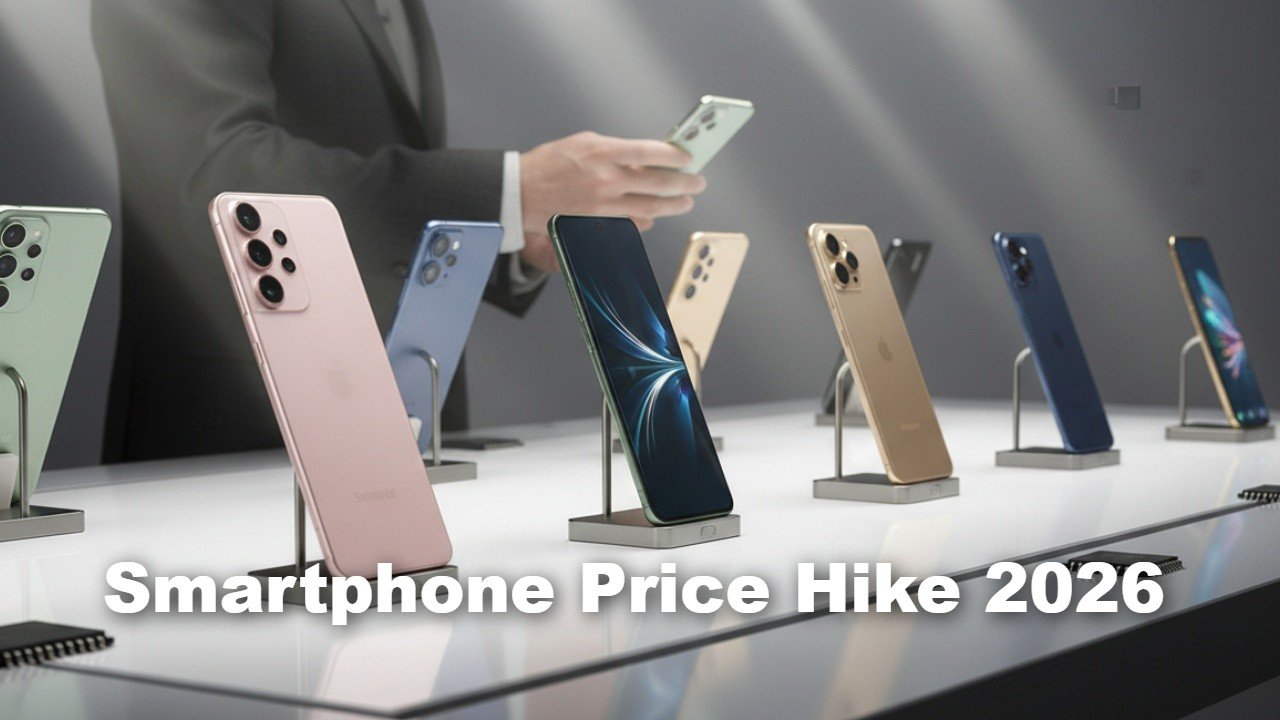
Memory Costs Hit Record Highs, Triggering Smartphone Price Hike 2026
The core driver behind the smartphone price hike 2026 is the unprecedented surge in memory components:
- DRAM prices up 80–90%
- NAND flash costs rising at similar levels
- HBM (High Bandwidth Memory) also climbing sharply
Industry trackers like Counterpoint Research confirm that the spike began late last year but accelerated in Q1 2026. A major catalyst appears to be surging demand for server-grade memory fueled by AI infrastructure expansion. As data centers consume more DRAM and NAND supply, smartphone manufacturers are left competing for limited inventory.
When memory — one of the most expensive components in a smartphone — nearly doubles in price, brands have little choice but to adjust retail pricing.
How Much Could Phones Get More Expensive?
Distributors in Asia report that upcoming smartphone models are already seeing price adjustments equivalent to $80–$150 for entry-level and mid-range devices. High-end flagships could see steeper increases, especially higher storage variants like 512GB and 1TB models.
This price wave may not be limited to new releases. Some existing models are reportedly set to receive silent pricing revisions as inventories tighten.
For U.S. and global consumers, this could impact devices from major brands including:
- Apple
- Samsung
- Xiaomi
Android flagships already pushing $999–$1,199 price tags may edge even higher if storage component costs remain elevated.
Budget Phones at Greater Risk
The smartphone price hike 2026 could hit the budget segment hardest.
Over the past decade, entry-level devices drove shipment growth with razor-thin profit margins. But with memory accounting for a significant portion of bill-of-material costs, manufacturers are facing shrinking margins on low-cost models.
Some industry insiders suggest:
- Budget phones may reduce base storage configurations.
- Brands may discontinue ultra-cheap SKUs.
- Manufacturers could shift focus toward mid-range and premium models.
If that trend accelerates, we may see greater industry consolidation, with fewer viable sub-$200 Android devices in global markets.
This aligns with broader smartphone market challenges we’ve already covered, including shipment slowdowns and IDC-reported declines.
AI Demand Is Reshaping the Supply Chain
Another factor intensifying the smartphone price hike 2026 is artificial intelligence infrastructure spending.
Server-grade memory used in AI computing clusters commands higher margins than mobile-grade chips. As cloud providers expand AI capabilities, memory suppliers are prioritizing high-performance contracts over consumer electronics.
If AI capital expenditure cools later in 2026, memory supply could stabilize. Until then, volatility remains likely.
For deeper industry data, readers can review reports from Counterpoint Research, which tracks global semiconductor pricing trends.
What This Means for Android Buyers
If you’re planning to buy a new Android phone this year, here are key takeaways:
- Expect higher prices for 256GB+ storage variants.
- Watch for reduced promotional discounts.
- Mid-cycle price increases are possible.
- Refurbished and previous-generation models may offer better value.
Brands may also prioritize higher-margin configurations, meaning lower storage versions could see limited availability.
The smartphone price hike 2026 may not be a one-time adjustment. If memory pricing remains elevated, analysts warn of potential second-round increases later in the year.
Will Apple and Samsung Absorb the Costs?
Large manufacturers like Apple and Samsung have stronger supplier leverage and long-term procurement contracts. However, sustained 80–90% component inflation is difficult to absorb indefinitely.
Historically, when memory cycles peak, retail prices follow — especially for flagship smartphones.
Android manufacturers with thinner margins could move first, making early 2026 an important pricing inflection point.
Final Thoughts
The smartphone price hike 2026 is shaping up to be one of the most significant pricing shifts in recent years. With DRAM and NAND costs nearing record highs and AI demand distorting supply chains, consumers may face noticeably higher upgrade costs.
If you’re considering a new device, buying sooner rather than later could help you avoid the first full wave of increases.