
Motorola Signature : A Reality Check for Flagships
Motorola has taken a measured but confident step into the premium smartphone segment with the launch of the Motorola Signature smartphone. Instead of competing on marketing noise or inflated specifications, the company has focused on delivering a high-end Android experience at a price point that undercuts most established flagships.
At a time when premium Android phones are becoming increasingly expensive, Motorola’s strategy feels deliberately disruptive.
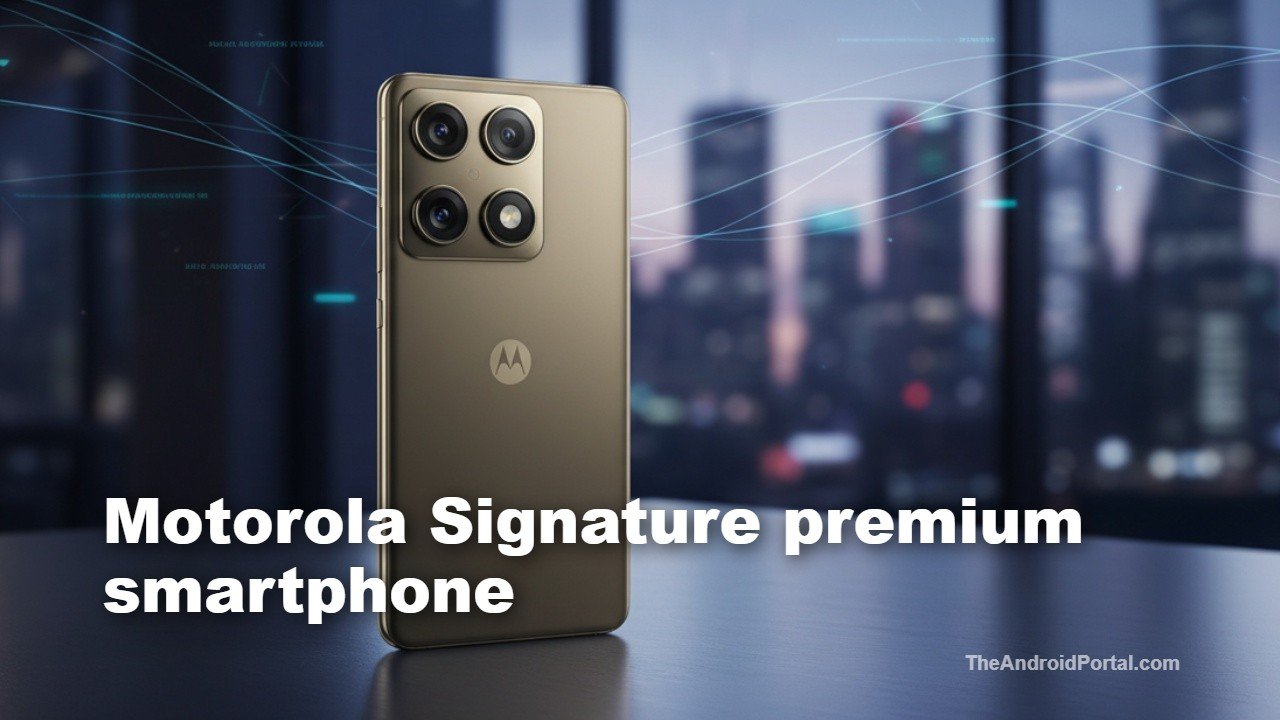
Motorola’s Premium Strategy Comes into Focus
The Signature series represents a new pillar in Motorola product lineup, positioned just below its Razr foldables and above the Edge series. This move reflects the brand’s growing confidence in India and other key markets, where it has steadily improved market share and shipment growth.
Key strategic highlights include:
- Introduction of a distinct premium lineup separate from Edge and Moto G
- Focus on long-term value rather than short-term hype
- Targeting informed buyers seeking flagship features without inflated pricing
This positioning allows Motorola to compete directly with premium Android devices while maintaining pricing discipline.
Design: Understated, Purposeful, and Premium
The Motorola Signature avoids flashy aesthetics in favor of refined design choices. The Pantone Martini Olive finish with a fabric-inspired texture gives the device a distinctive yet professional look.
Design and build highlights:
- Textured back panel for improved grip and premium feel
- Clean, minimalistic design language
- Solid build quality aligned with flagship expectations
Rather than chasing trends, Motorola has focused on creating a phone that feels durable, elegant, and practical.
Hardware That Challenges the Flagship Status Quo
Where the Motorola Signature smartphone truly stands out is its hardware-to-price ratio. Starting at ₹59,999, it undercuts several competing flagships while offering comparable—or in some cases superior—specifications.
Available configurations include:
- 12GB RAM + 256GB storage
- 16GB RAM + 512GB storage
- 16GB RAM + 1TB storage, a rare option in this price segment
This aggressive specification strategy positions the Signature as a serious alternative to significantly more expensive Android flagships.
Why the Motorola Signature Poses a Problem for Rivals
The Signature’s pricing exposes a growing issue in the premium Android market: diminishing returns at higher price points. With many flagship phones offering marginal year-on-year improvements, Motorola’s approach raises difficult questions for competitors.
Key reasons this device stands out:
- Flagship-level performance at a noticeably lower cost
- Premium design without luxury pricing
- High RAM and storage options rarely seen at this price
For consumers focused on real-world usage rather than brand perception, the value proposition is hard to ignore.
Market Impact and Buyer Appeal
The Motorola Signature is unlikely to chase mass-market volumes immediately. Instead, it appeals to users who prioritize build quality, performance stability, and long-term usability.
This includes:
- Power users looking for high RAM and storage headroom
- Buyers upgrading from mid-range phones to premium devices
- Consumers questioning the value of ultra-expensive flagships
If adoption grows, it could force rival brands to rethink pricing strategies in the premium Android segment.
Final Takeaway
The Motorola Signature smartphone does not attempt to redefine the flagship category—it quietly challenges it. By delivering a premium Android experience at a more rational price, Motorola has created a device that feels both confident and calculated.
For the Android market in 2026, the message is clear: flagship quality no longer needs flagship pricing.