
Samsung Galaxy A07 5G Price Hike Hits Budget Buyers
The Samsung Galaxy A07 5G price hike is shaping up to be one of the clearest warning signs yet that affordable smartphones may not stay affordable for long. Fresh leaks around Samsung’s upcoming entry-level 5G phone suggest a noticeable year-on-year jump in pricing, with the global RAM shortage emerging as the primary culprit. For budget-conscious Android users, this could mark the beginning of a tougher buying cycle in 2026.
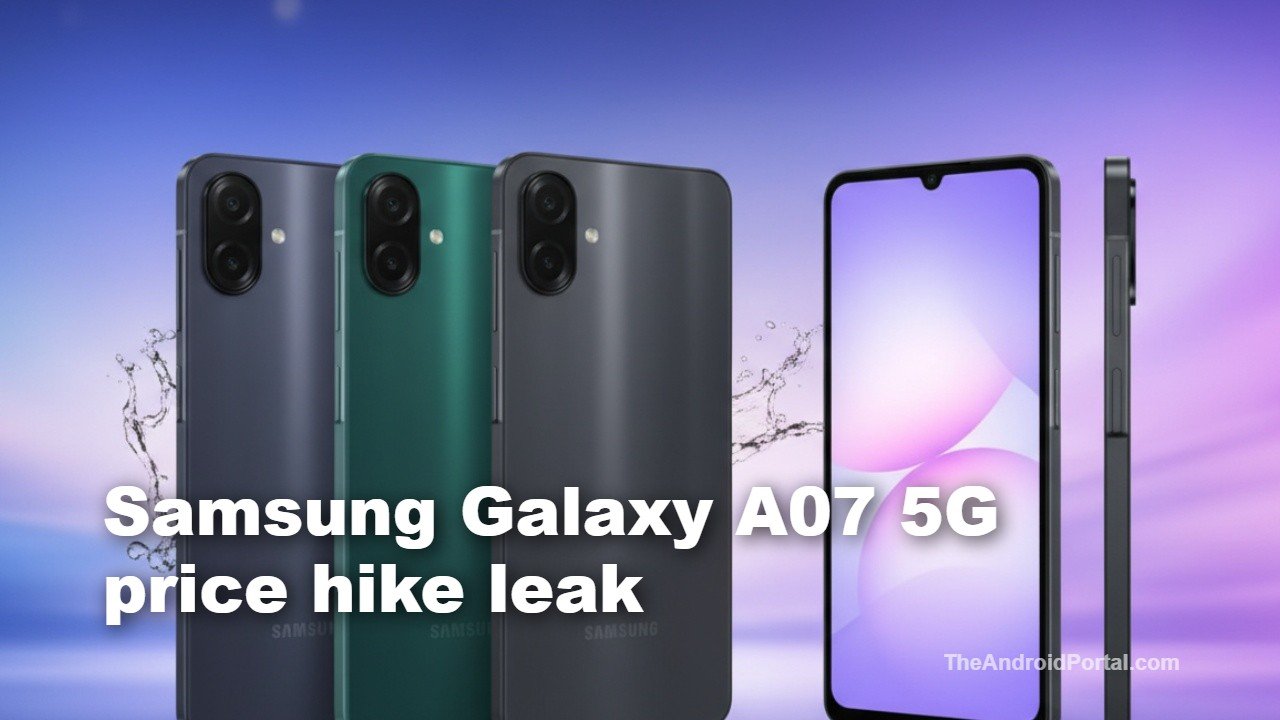
Galaxy A07 5G pricing leak points to a sharp increase
According to recent retail listings circulating online, Samsung is expected to launch the Galaxy A07 5G in India soon, following its quiet debut in select Asian markets. The leaked prices indicate:
- ₹15,999 for the 4GB RAM + 128GB storage variant
- ₹17,999 for the 6GB RAM + 128GB storage variant
At first glance, these numbers might not seem shocking. However, when compared to the Galaxy A06 5G, the increase becomes impossible to ignore. Last year’s model launched at around ₹11,499 for 4GB RAM and ₹12,999 for 6GB RAM, making the jump roughly ₹4,500–₹5,000 depending on the configuration.
For a phone positioned squarely in Samsung’s budget lineup, that kind of increase is significant.
What’s actually new in the Galaxy A07 5G?
The Samsung Galaxy A07 5G price hike is drawing criticism because the hardware upgrades appear modest. Early reports suggest Samsung has largely stuck to the same core formula, with only incremental improvements:
Expected upgrades
- 120Hz HD+ display, up from 90Hz on the A06 5G
- 6,000mAh battery, slightly larger than its predecessor
What remains largely unchanged
- Same or similar chipset
- Comparable camera setup
- Similar IP rating and overall performance
While the smoother display and bigger battery are welcome, they may not fully justify such a steep price jump in the eyes of consumers shopping in the sub-₹15,000 segment.
RAM shortage is pushing up budget phone prices
Industry analysts point to the ongoing global RAM shortage as the biggest driver behind the Galaxy A07 5G price increase. As artificial intelligence workloads and data center demand consume a growing share of DRAM supply, memory prices have surged across the board.
For smartphone makers, especially in the budget segment, absorbing higher component costs is extremely difficult. Unlike premium phones—where brands can tweak features, margins, or marketing—entry-level devices operate on razor-thin profits. When RAM prices rise, the cost is often passed directly to consumers.
This trend isn’t limited to Samsung. Several Android manufacturers are reportedly reassessing their pricing strategies for 2026, particularly for low-cost 5G phones that already face pressure from rising logistics and manufacturing costs.
Why budget phones are hit the hardest
The Samsung Galaxy A07 5G price hike highlights a broader industry problem: budget smartphones have the least flexibility when component costs rise. Key reasons include:
- Limited room to cut features without hurting usability
- Less brand tolerance for losses in entry-level segments
- Rising expectations for higher RAM and storage even in cheap phones
As apps, Android updates, and multitasking demands grow, 4GB RAM is increasingly seen as the bare minimum. But higher RAM configurations are precisely where memory shortages are having the biggest impact.
What this means for buyers in 2026
For consumers, the leaked pricing of the Galaxy A07 5G could be an early signal of what’s coming next. If RAM prices remain elevated, budget Android phones across brands may continue to get more expensive—even without major performance upgrades.
This could push more buyers toward older models, refurbished devices, or aggressive sales events. It may also blur the line between budget and mid-range phones, forcing shoppers to rethink how much they’re willing to spend for basic 5G connectivity.
Samsung has not officially confirmed the final pricing yet, but if these leaks hold true, the Galaxy A07 5G could become a case study in how global component shortages reshape the entry-level smartphone market.