
Galaxy S26 Ultra Beats iPhone in Benchmarks
The Galaxy S26 Ultra benchmark performance story is heating up just days before launch. Samsung’s upcoming flagship has resurfaced on Geekbench with significantly improved scores, and the latest numbers suggest it may have a clear advantage over Apple’s newest iPhone in multi-core performance.
Ahead of its official debut in San Francisco, the Samsung Electronics powerhouse has appeared again in benchmark listings, revealing stronger CPU results than previously recorded. While synthetic benchmarks never tell the whole story, these early metrics offer a glimpse into how Samsung’s 2026 flagship could stack up against the competition — including Apple’s latest premium device.
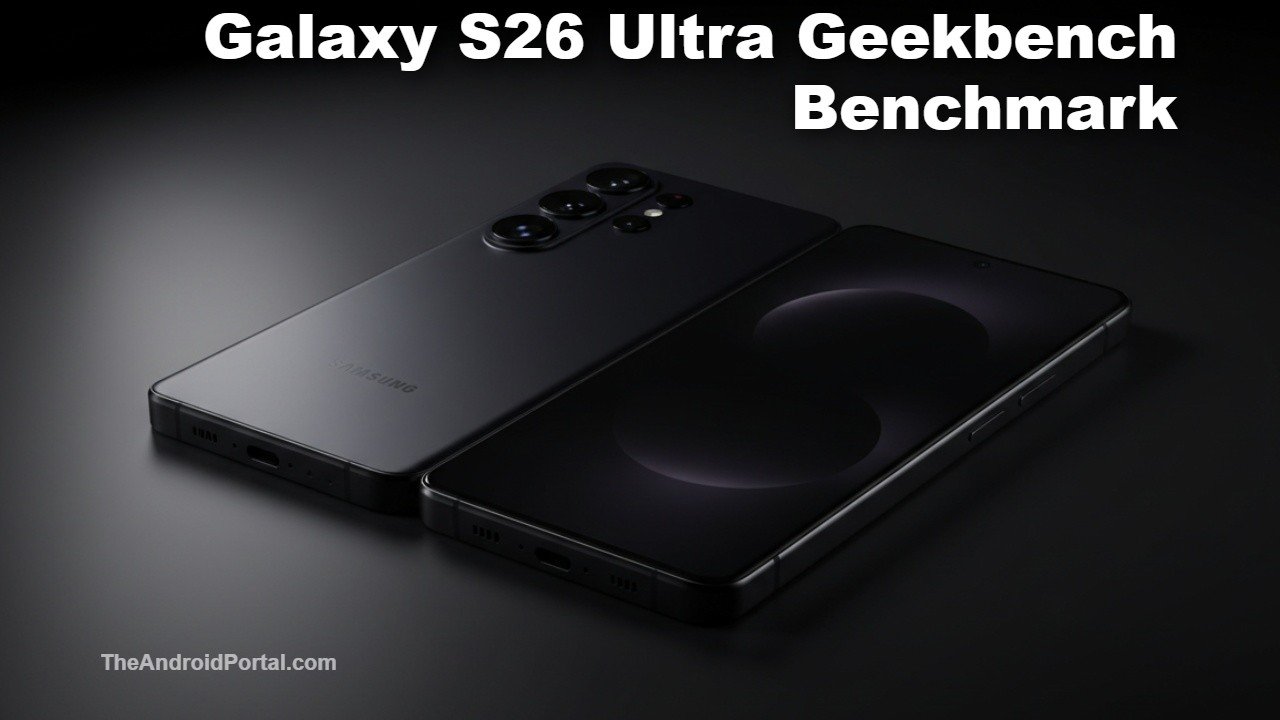
Galaxy S26 Ultra Benchmark Performance Surges in New Geekbench Listing
According to the updated Geekbench entry, the Galaxy S26 Ultra now delivers:
- 3,761 single-core score
- 11,454 multi-core score
That’s a noticeable jump from earlier test results, where the device scored 3,601 (single-core) and 10,686 (multi-core). The multi-core result crossing the 11,000 mark is particularly significant, representing one of the highest scores ever recorded for a Galaxy smartphone.
For context, Apple’s current flagship — the iPhone 17 Pro Max from Apple — reportedly scores:
- 3,894 single-core
- 9,741 multi-core
While Apple maintains a slight edge in single-core performance (around 3.5% higher), Samsung’s new Ultra model appears to outperform it by a substantial margin in multi-core processing — roughly 17% higher based on available data.
Why Multi-Core Performance Matters More in 2026
Raw single-core speed has traditionally favored Apple’s silicon. However, in real-world 2026 usage scenarios, multi-core performance is increasingly critical.
Multi-core strength benefits:
- AI-driven features and on-device processing
- Advanced computational photography
- High-refresh-rate gaming
- 4K/8K video rendering
- Multitasking across split-screen apps
With Android’s ecosystem leaning heavily into AI and machine learning, the Galaxy S26 Ultra benchmark performance suggests Samsung is optimizing for parallel processing power — a major advantage in demanding workflows.
Given Samsung’s push into Galaxy AI and generative tools, stronger multi-core capabilities could directly enhance:
- Real-time translation
- AI image editing
- Smart summaries
- Contextual system suggestions
For users upgrading from the Galaxy S25 Ultra, this generational jump appears meaningful.
What’s Powering the Galaxy S26 Ultra?
Although Samsung hasn’t officially detailed chipset branding at the time of writing, the benchmarked model is widely expected to feature either:
- A next-gen Snapdragon 8-series platform
- Or a new custom-tuned Exynos variant (region-dependent)
Early reports suggest enhanced CPU architecture efficiency and improved thermal management — both critical for sustained performance.
Unlike short benchmark bursts, sustained workloads (gaming, video exports, heavy productivity apps) will determine whether this lead holds up in real-world usage. Still, the Galaxy S26 Ultra benchmark performance indicates Samsung is aiming squarely at reclaiming the performance crown in multi-threaded tasks.
Samsung vs Apple: The Flagship Rivalry Continues
The Samsung vs Apple rivalry remains one of the most searched topics in the US tech market. Performance comparisons consistently drive traffic because buyers want clarity before spending $1,000+ on a premium device.
Here’s how the battle currently looks:
| Test Type | Galaxy S26 Ultra | iPhone 17 Pro Max |
| Single-Core | 3,761 | 3,894 |
| Multi-Core | 11,454 | 9,741 |
Apple still leads in single-core efficiency, but Samsung’s advantage in multi-core throughput could translate into superior heavy-task performance.
Of course, benchmarks don’t account for operating system optimization differences between Android and iOS. Real-world testing will ultimately determine practical performance gaps.
What This Means for Buyers
If these benchmark figures hold steady at launch, the Galaxy S26 Ultra benchmark performance positions Samsung’s flagship as one of the most powerful Android smartphones of 2026.
For US consumers comparing:
- Galaxy S26 Ultra vs iPhone 17 Pro Max
- Android flagship performance 2026
- Best phone for gaming and multitasking
Samsung’s latest device is shaping up to be a serious contender.
With launch day approaching, we expect more leaks around GPU performance, battery efficiency, and AI enhancements. Until then, these early benchmarks suggest Samsung isn’t just competing — it’s pushing ahead in multi-core computing power.